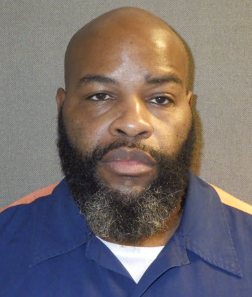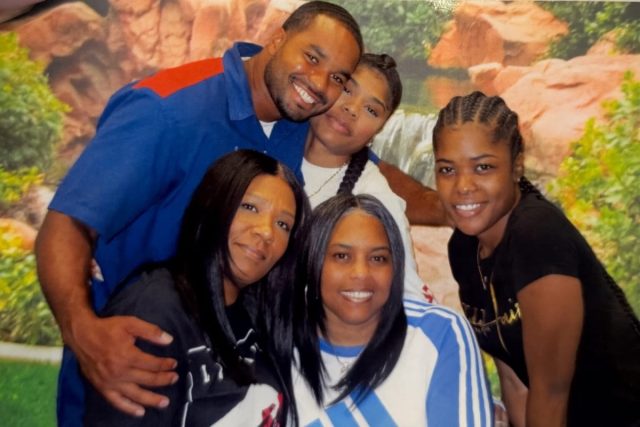
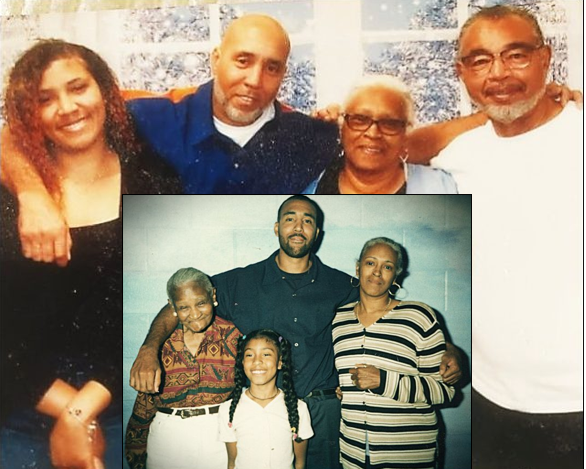
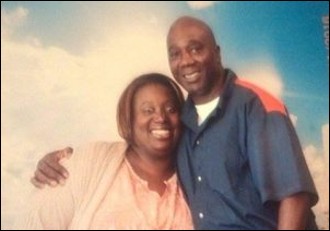
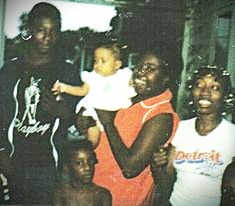
Anton Blevins and family, including fiancée Demetria, their mothers, and cousin
Blevins and co-defendant Quintin King convicted of fatal shooting of WSU football player Courtney ‘Cortez’ Smith May 5, 2011 at Club Envy
Extensive prejudicial pre-trial coverage by national and local media
Trial Judge Timothy Kenny, AP Michael Reynolds used football team metaphors, compared Smith to global and national ‘peacemaker’ leaders
Anton Blevins, mother and son
DPD Detective Derryck Thomas, the OIC, engineered wrongful conviction of Vidale McDowell in 2003, after getting false confession of 13-yr.-old child
DPD Det. Ernest Wilson interviewed witnesses, also involved in wrongful conviction including that of Mubarez Ahmed which cost the city $10M
Atty. Michael Dezsi filed motion for relief and evidentiary hearing 8/4/2026, citing suppression of newly-discovered Envy Club videotape under Brady by DPD & WCPO, threatening DPD tactics
Motion documents extensive evidence re: alternate suspect who withdrew his original ID of King and Blevins, told sheriff he wanted to confess; he was not included in any photo or in-person line-up identifications, but others at the scene identified him and his friend as the killers.

By Diane Bukowski
September 1, 2026, updated September 11, 2026
Please DONATE TO VOD at https://www.gofundme.com/donate-to-vod
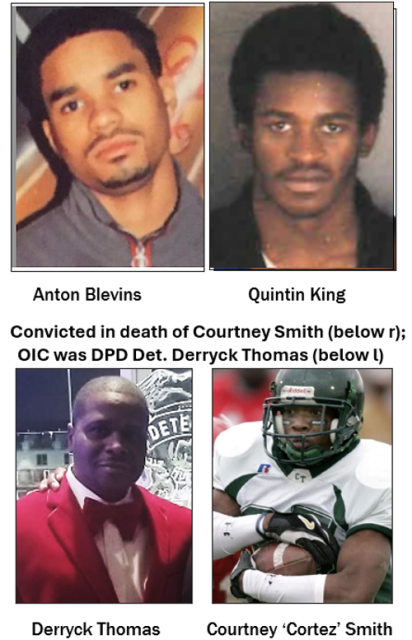 DETROIT – Local and national media, including ESPN, prominently covered the shooting death of Courtney “Cortez” Smith, a star Wayne State University football player, in a parking lot outside the Club Envy in downtown Detroit on May 5, 2011.
It took place during a chaotic night-time melee between Smith’s college friends, out to celebrate the graduation of WSU football player Zachary Easterling, and other Detroit youths who were distributing fliers about an upcoming event,
Club Envy security would not admit the WSU group because at least one, Carlos Spearman, was highly intoxicated. The group left to take him to a restaurant to sober him up. On the way, a fight ensued when someone accused Easterling of urinating on their car in a nearby alley. A shoving match escalated to gunfire. Smith was shot multiple times and killed.
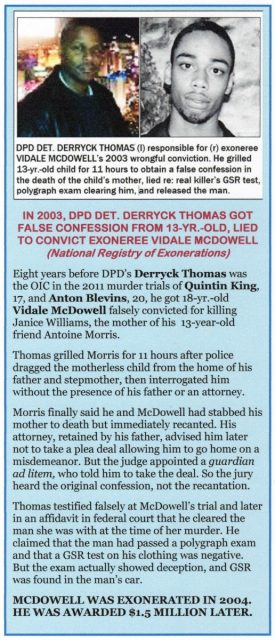 DPD Detective Derryck Thomas, the Officer-in-Charge (OIC), engineered the eventual arrests of Anton Blevins, 20, and Quintin King, 17. He used tactics of witness intimidation similar to those he employed in the 2003 wrongful conviction of exoneree Vidale McDowell.
Others on the homicide team included DPD Det. Ernest Wilson, responsible for the wrongful convictions of Mubarez Ahmed in 2001, Marvin Cotton, and others. Ahmed’s conviction cost the City of Detroit $1o million. In that case, Wilson pointed out the suspect to a line-up witness. In the Blevins/King case, he also interviewed witnesses.
Blevins was charged and convicted of one count of second-degree murder, six counts of assault with intent to do great bodily harm less than murder, and one count of felony firearm, on Feb. 22, 2013.
King was convicted of one count of first-degree murder, six counts of assault with intent to commit murder, and one count of felony firearm.
The case hinged solely on eyewitness ID’s. No one was arrested at the scene. No murder weapon was produced, only shell casings from the scene. No fingerprint, DNA, or gunshot residue (GSR) evidence was provided at trial.
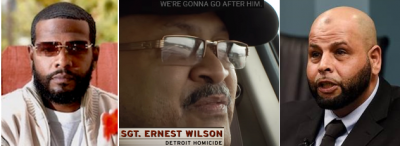
DPD Sgt, Ernest Wilson (ctr.) engineered wrongful convictions of Marvin Cotton (l), Mubarez Ahmed (r).
Both Blevins and King continue to appeal their cases. King’s SADO attorney Joan Morgan filed a motion for relief from judgment June 11, 2026.
Blevins’ attorney Michael Dezsi filed a motion for relief from judgment and evidentiary hearing based on newly-discovered Brady evidence August 4, 2026.
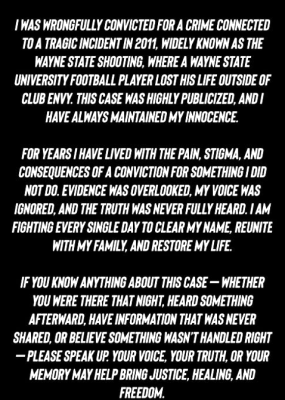
FACEBOOK POST BY ANTON BLEVINS
It says police and prosecutors concealed a Club Envy videotape which Thomas claimed at trial did not exist. It recounts how Detroit police and ATF agents jailed, threatened and coerced witnesses and their families, even arresting some to force them to testify.
They met with a man who was present during the Club Envy melee, after telling him he faced first-degree murder charges, to solicit statements identifying Blevins and King, promising ‘special consideration’ on a separate offense.
The defense attached sworn affidavits from others at the scene that they saw that man and his friend shoot and kill Courtney ‘Cortez’ Smith. Details of the defense motion are presented later in this story.
(VOD is not publishing the alternate suspects’ names because they have not yet been charged.)
JUDGE KENNY AND ASST. PROS. MICHAEL REYNOLDS PREJUDICED JURY WITH FOOTBALL METAPHORS, “HERO” DEPICTION OF SMITH
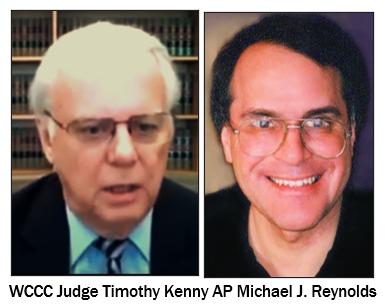 According to court documents, Wayne 3rd Circuit Court trial judge Timothy Kenny and Asst. Prosecutor Michael Reynolds repeatedly referenced Smith’s football career during the trial, in Kenny’s opening remarks to the jury and in Reynolds’ florid portrayal of Smith as a peacemaker comparable to global leaders.
In a blistering, dissenting Court of Appeals opinion Jan. 12, 2016, Judge Douglas B. Shapiro called for a new trial for Blevins due to faulty witness ID’s and the use of football team and ‘peacekeeper’ metaphors meant to cloud the facts. He cited pages of scientific research on serious flaws in eyewitness identification procedures. See: http://voiceofdetroit.net/wp-content/uploads/Anton-Blevins-dissenting-COA-opinion-1.pdf
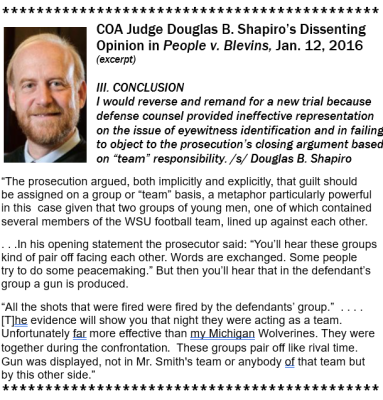 He noted, “In this case, the prosecutor compared the victim to Yitzhak Rabin and Anwar Sadat and discussed the Nobel Peace Prize several times.
“He spoke at length about the murder of Abraham Lincoln and that as a result of the killing of that peacemaker “we suffered the consequence for over 100 years.” . . . None of these observations had anything to do with the factual determination that the jury was to make. They were clearly intended to heighten emotions and sympathy and, in effect, to lower the burden of proof as to the facts.”
BLEVINS’ CURRENT MOTION FOR RELIEF AND EVIDENTIARY HEARING
http://voiceofdetroit.net/wp-content/uploads/Anton-Blevins-2-MRJ-Index-Exhs-A-F-1-39-POS-8.4.2026.pdf
BACKGROUND
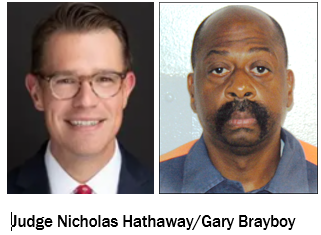 This motion is currently in front of Wayne 3rd Circuit Court Judge Nicholas [Brobak] Hathaway. He denied another motion for a new trial for Blevins filed under MCL 770.1 in 2024, largely on technical procedural grounds cited in MCR 6.500, which severely limit a defendant’s options in innocence appeals.
In another case covered by VOD, Hathaway also denied an appeal by Gary Brayboy, which cited the roles of DPD officers William Rice and Monica Childs in the wrongful convictions of multiple exonerees.
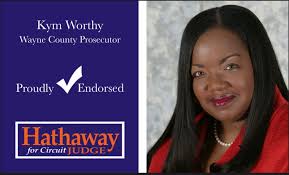 Brayboy’s case was originally before Judge THOMAS Hathaway. Unfortunately, that Judge Hathaway retired and his caseload got passed along to his nephew-in-law Nicholas, who was fervently endorsed for office in 2022 by Wayne County Prosecutor Kym Worthy, known nationally as an “Innocence Denier.” She still claims Davontae Sanford, 14 when he was charged with four drughouse murders and later exonerated, is not innocent.
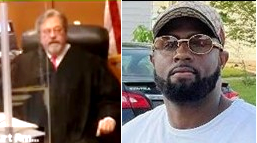
Judge Thomas Hathaway/Thelonious Searcy
Judge THOMAS Hathaway likely incurred her wrath when he dismissed the case against Thelonious Searcy WITH PREJUDICE, citing in particular members of the prosecutor’s office for repeated Brady violations. See: http://voiceofdetroit.net/wp-content/uploads/Thelonious-Searcy-Order-Gg-Defs-Mtn-to-Dismiss-10.3.20223311-3.pdf
After Judge Kenny denied Searcy’s original motion for relief, a Court of Appeals panel ruled that Kenny was guilty of an “abuse of discretion,” a term rarely used against sitting judges.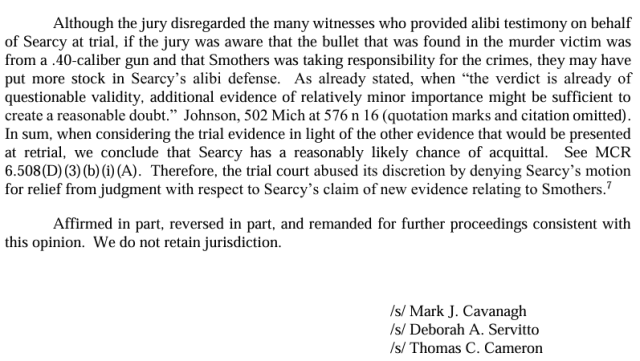
A second Court of Appeals panel later vacated Thomas Hathaway’s ruling dismissing charges against Searcy, claiming that a trial judge does not have the authority to dismiss charges WITH PREJUDICE. They vacated the dismissal, sending Searcy back for a new trial instead.

Dana Nessel, Kym Worthy
Judge Nicholas Hathaway presided over that re-trial briefly, denying Searcy’s request to have his tether removed, and caving in to prosecutors working for Michigan Attorney General Dana Nessel on other issues. Judge Margaret Van Houten now oversees the re-trial, set for January, 2027. Nessel has now launched an attack on Vincent Smothers, who confessed to the crimes Searcy and Davontae Sanford were falsely convicted of, charging him with executing a false affidavit in another case.
ANTON BLEVINS MOTION FOR RELIEF AND EVIDENTIARY HEARING, FILED 8/4/2026
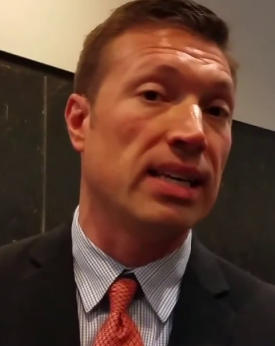
Atty. Michael Dezsi
Defense attorney Michael Dezsi writes in Anton Blevins’ motion for relief from judgement:
“At trial, the prosecution told the jury, “[t]his is an old school case; we don’t have video surveillance. I wish we did.” TT 2/21/13, pg 35. The officer-in-charge, Derryck Thomas, also testified at trial that he, “along with [his] crew” went to Club Envy to see if there was any video, “that showed anything regarding Club Envy,” to which Thomas responded, “No . . . I’m not that lucky enough to get any. 2/20/13,k pg 88).
“Defendant has recently discovered that these representations by both the prosecutor and the officer-in-charge were false,” the defense says in its motion. “Defendant recently obtained a sworn Affidavit from the then-manager of Club Envy. . . who attests that he was interviewed by detectives from the Detroit Police Department and that he did, in fact, have surveillance video depicting the shooting and that he watched the video with the detectives after which the detectives took possession of the video tape of the a shooting. (Ex B).
” . . .[the]Affidavit makes clear that the officer-in-charge of the case lied on the stand, and the prosecutor later claims, falsely, that there was no video surveillance of the shooting. The defense was completely unaware that there was, in fact, video surveillance of the shooting (Ex C).
WITNESS IDENTIFIED BLEVINS AND KING ON PROMISE OF ‘SPECIAL CONSIDERATION,’ OTHERS IDENTIFIED HIM AS THE ACTUAL KILLER
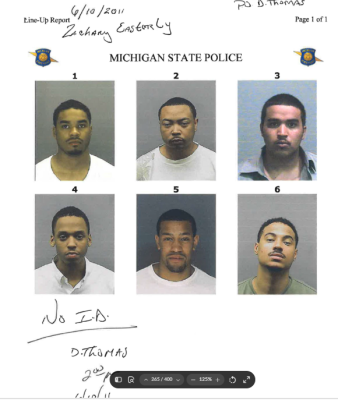
Anton Blevins is No. 1 in the line-up. Zachary Easterly did not identify him.
Witnesses at the scene said a tall “skinny,” and “light-skinned” Black youth and a shorter, dark-skinned Black youth carried out the shooting of Courtney “Cortez” Smith.
Blevins is light-skinned, but he weighed 245 lbs. at the time. Det. Thomas and ATF Special Agent Stan Brue grilled a young witness (name withheld) for hours to set up his identification of Blevins and King, saying that he “looked like” King and implying that King had fingered him.
Prior to the interview, Detroit police arrested him at his home and told him he faced a first-degree murder charge. Thomas and Brue spent hours eliciting wandering, stream-of-consciousness statements from him. The interview contained uncorroborated allegations of gang membership and street killings against Blevins and King. Thomas told him he would contact officials to set up an agreement regarding a separate CCW charge the witness was facing. He concluded the interview by implying that since he already had King in custody, even if the man he was interviewing was guilty of the crime, ‘if you did it, you did it’. . .alright.”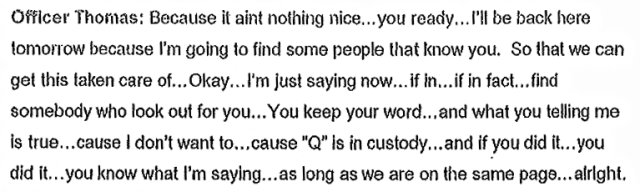

Old Wayne County Jail
Det. Thomas contacted prosecutors working on the separate CCW case and set up an agreement for special consideration, resulting in a sentence reduction. The witness later recanted his statement in numerous letters and notes to Blevins. He also told a Deputy Sheriff at the jail that he wanted to confess. But he was never featured in any photo or in-person line-up.
The motion also cites a statement from Dequan Todd, who was locked up with this man, indicating that this individual had actually confessed to him that HE killed Smith.
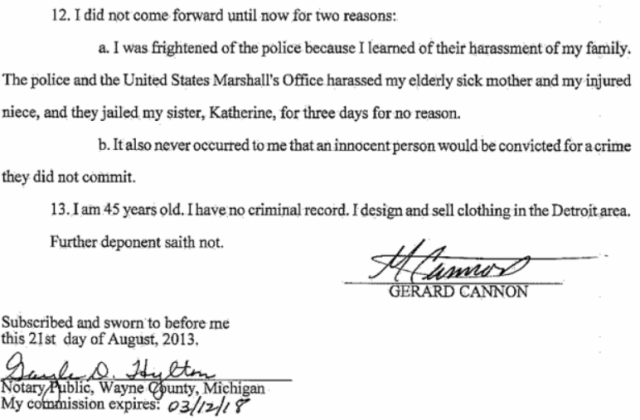
In 2013, Gerard Cannon, another person at outside Club Envy with the group passing out fliers, swore out an affidavit identifying members of the group who went to the scene to pass out fliers, provided by his sister Katherine Cannon. Cannon said he drove there with Blevins and King, and also with the informant above, and his friend (now deceased). He said he saw those men brandish a gun and shoot Smith. He says that his sister was arrested and held in jail for three days by police for no reason, and police terrorized his elderly mother and niece.
Det. Thomas also locked up Phillip Knott, from the group of Smith’s friends, two years after the crime. Knott had repeatedly told police he did not see anything and did not want to testify. But Judge Kenny ordered his detention in the Wayne Co. Jail until he testified, on Thomas’ request.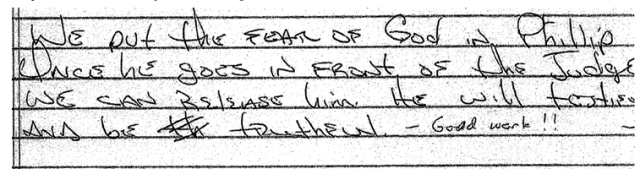 NOTE FROM POLICE FILE BY DPD DET. DERRYCK THOMAS
 Blevins’ motion for relief says, “Defendant was denied due process and a fair trial where the investigating officers engaged in impermissible interference and coercion of a witness. In documents recently obtained through a FOIA request, Defendant also learned for the first time that investigating officers threatened and/or coerced Phillip Knott into testifying favorably for the prosecution. Ex E and F. Defendant asserts that the investigating officers’ actions constitute impermissible tampering and interference of a witness that denied Defendant his constitutional right to due process in violation of the Fourteenth Amendment and further violated his right to a fair trial under the Sixth Amendment. and Johnson v Bell, 525 F3d 466 (CA6 2008).”
Dequan Todd, who was in the Wayne County jail with the jailhouse informant that implicated Blevins and King, told defense attorneys that the man had actually told him HE killed Courtney Smith.
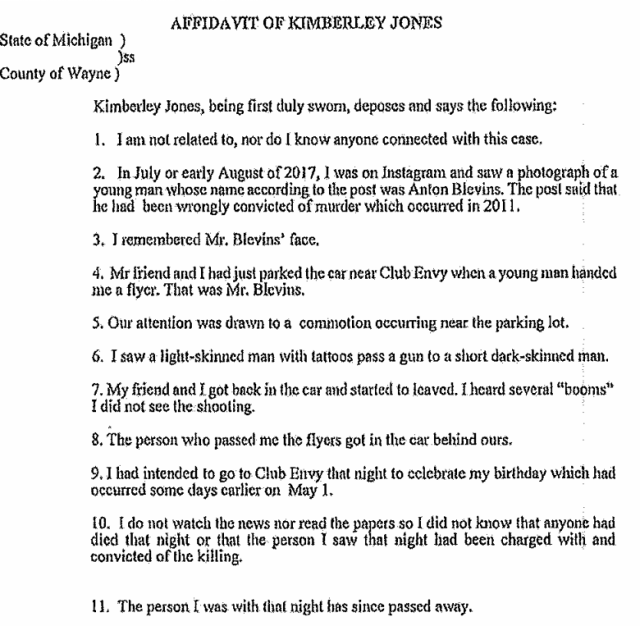
In 2017, another witness to the Club Envy events of May 5, 2011, Kimberley Jones, swore out an affidavit that she and a friend were driving by when Blevins, who she later saw on television news reports, passed out a flier to her. She said she then saw a different “light-skinned man with tattoos pass a gun to a short dark-skinned man.” That description fits the physical descriptions of the jailhouse informant’s friend (now deceased), who was very light-skinned and had tattoos, and of the jailhouse informant interviewed by Det. Thomas and ATF Agent Stan Brue.
Demetria Young, Anton’s long-time girlfriend who met him in high school, has been campaigning for Blevins’ release since his arrest. She has thoroughly researched his case, and contacted numerous entities including the Voice of Detroit for support and coverage.
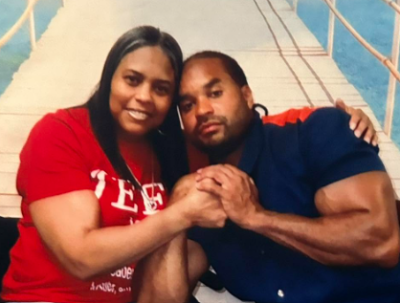
Demetria Young and Anton Blevins
She says, “Anton was put on the news as wanted described as having several tattoos and a gang member. Anton doesn’t have no tattoos and I’m now 33 years old and I haven’t known him to be gang affiliated ever since I met him my 10th grade year. Still to this day in prison he hasn’t ever been gang affiliated.”
She also says, “The person who actually committed this crime was being used as a star witness. He made statements saying that King and Anton committed this crime. This person uncle was also an officer and that is how he was able to make a deal that if he testified against Anton and king he wouldn’t be charged. We have a 51 page transcript between Derryck Thomas and the actual killer that reads “somebody sent me here to help you” referring to the uncle. Detective also says “if you did it you did it long as you go with the story because King is already in jail for it”. . . the actual killer was arrested the day after Anton in a very dramatic way the streets were blocked off with a lot of police cars yet this arrest was documented that it was so dramatic because they went there looking for Anton but it was very public that Anton got arrested the day before. [The actual killer] was treated as the suspect he was because if he didn’t testify he would be charged. The fact that he was a suspect and a star witness was never disclosed to defense or during trial.”
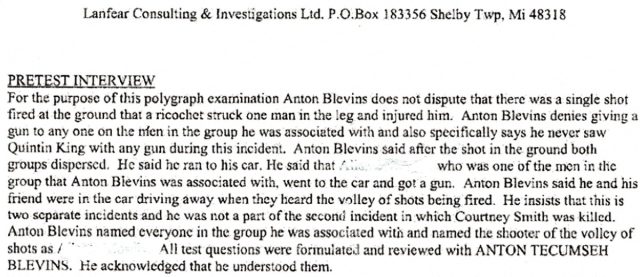
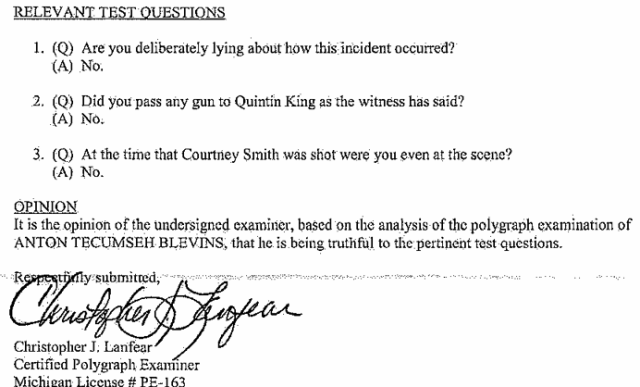
Blevins also passed a polygraph exam Dec. 6, 2018.
Contact Anton via his Facebook page at (20+) Facebook
antonblevins5@gmail.com
Write Anton Blevins #772930 at Kinross Correctional Facility 4533 W. Industrial Park Drive Kincheloe, MI 49788
RELATED:
Vidale McDowell | National Registry of Exonerations
Who’s lying now? Metro Times: Derryck Thomas role in false conviction of Vidale McDowell
WXYZ: Candidate who changed name to Hathaway before run for Wayne County judge loses
EXONEREE THELONIOUS SEARCY PACKS COURT; JUDGE DELAYS RE-TRIAL, DENIES TETHER REMOVAL PER NESSEL | VOICE OF DETROIT: The city’s independent newspaper, unbossed and unbought
THELONIOUS SEARCY ON NATIONAL REGISTRY OF EXONERATIONS AFTER 19 YR. BATTLE FOR FREEDOM | VOICE OF DETROIT: The city’s independent newspaper, unbossed and unbought
DIRTY DETROIT COPS BEAT, MADE UP CONFESSIONS FROM ALTON HUBBARD, BROTHER IDOLTHUS, IN 2004 MURDERS | VOICE OF DETROIT: The city’s independent newspaper, unbossed and unbought
CASES OF EXONEREE LARRY SMITH, LIFER GARY BRAYBOY PROCEED, CITE MISCONDUCT BY DPD’S MONICA CHILDS | VOICE OF DETROIT: The city’s independent newspaper, unbossed and unbought
LIFER GARY BRAYBOY, FRAMED BY DETROIT SQUAD 7 COPS INVOLVED IN EXONEREE CASES, IN COURT MON. JAN. 24 | VOICE OF DETROIT: The city’s independent newspaper, unbossed and unbought
*******************************************************************************


 URGENT. Funds needed for quarterly web hosting charge of $479, now overdue as of Sept. 4, 2026. VOD, a pro bono newspaper, now devotes itself entirely to stories about our PRISON NATION and POLICE STATE.
VOD’s editors and reporters, most of whom live on fixed incomes or are incarcerated, are not paid for their work. In addition to quarterly web hosting charge. other expenses include P.O. box fee of $226.00/yr., costs including utility and internet bills, costs for research including court records and internet fees, office supplies, gas, etc.
Please DONATE TO VOD at:
***********************************************************************************
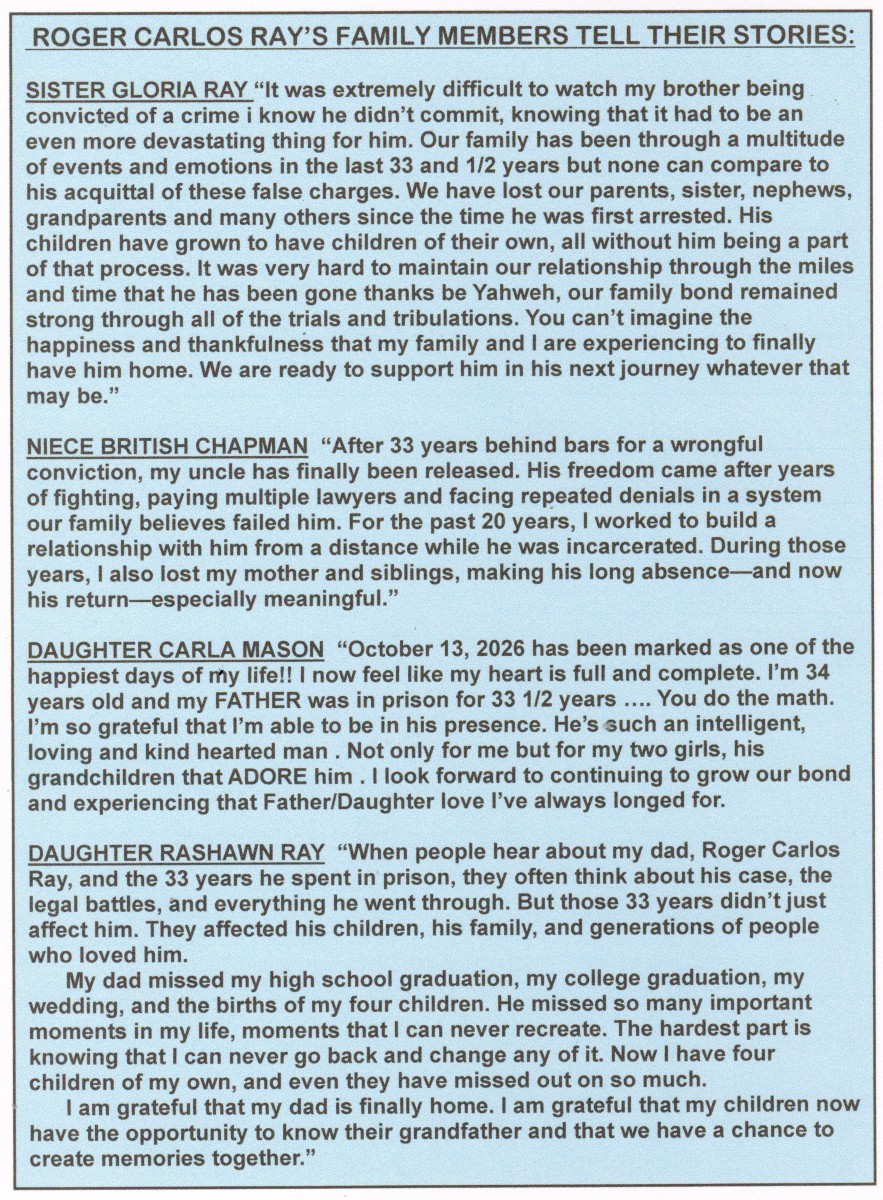
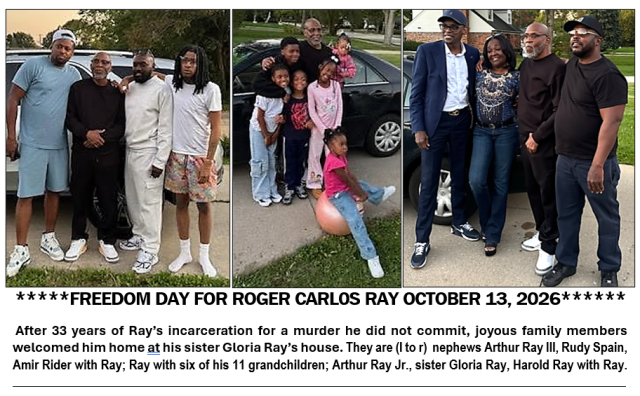 Roger Carlos Ray was convicted in 1987 of the gruesome robbery-murder of apartment manager John Holmes at 6017 Grand River on Easter Sunday.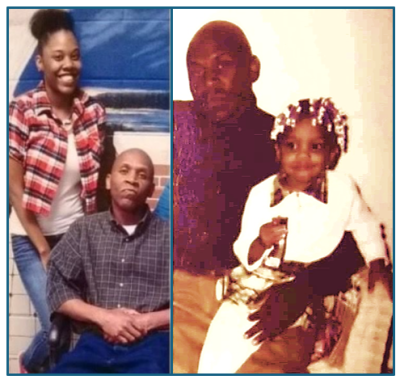
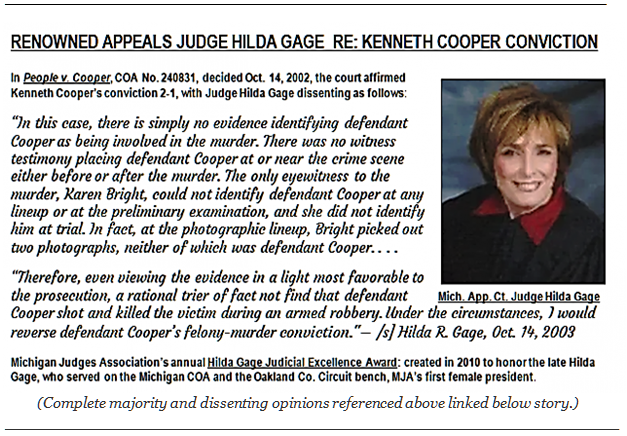
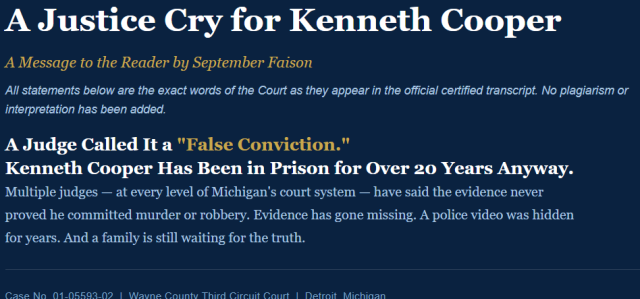
 Kenneth Cooper, also covered by Ricardo Ferrell in VOD, continues to fight for freedom from his wrongful conviction due to criminal INJUSTICE system. Despite higher court rulings acknowledging complete lack of evidence against him, and her own review indicating the same, WCCC Judge Chandra Baker-Robinson denied relief for Cooper in 2025, and higher state courts followed suit. Read about his case in links below Roger Carlos Ray’s story.
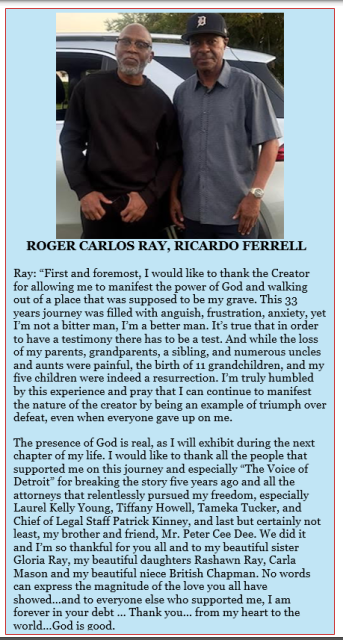 DETROIT – For over 12,000 days, Roger Carlos Ray has maintained his innocence, telling anyone who would listen that the cops had the wrong man. This is a 1987 homicide case that’s been covered by Voice of Detroit over the last five years.
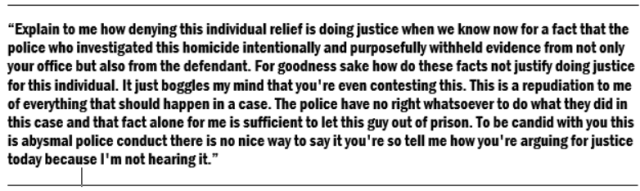
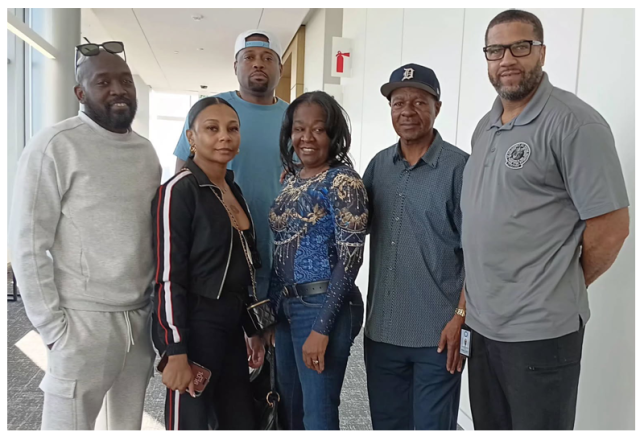

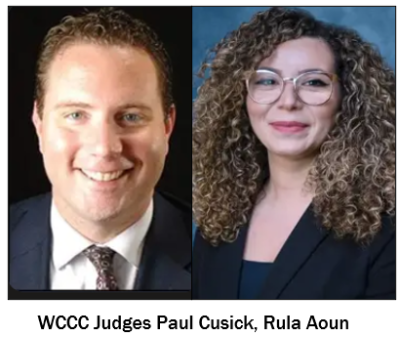 Cusick’s ruling gave deference to both the defense and the prosecution. Instead of relying on obscure court rule requirements that block innocence claims, Judge Cusick analyzed the defense and prosecution arguments in great detail, and ordered a new trial based on his own analysis of the facts and the law. This is highly unusual, given recent rulings by other WCCC judges bent on denying innocence appeals, using court rules that effectively block such claims. His complete ruling is at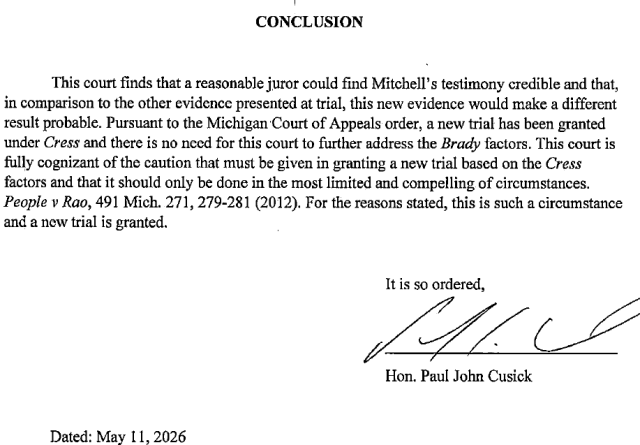
 RELATED STORIES;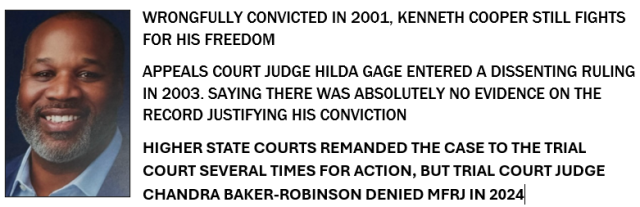


 By Diane Bukowski
 This was the last message he sent to me, while I was on break from my part-time service at Hannan Center for a couple of months. He was happy and looking forward to the future.
 When convictions are overturned, people are exonerated, or juries refuse to convict, how much taxpayer money and how many additional years are we willing to spend continuing to pursue people rather than examining what went wrong in the first place?


 It breaks my heart every time we investigate a case involving clear injustice and find rulings by judges and prosecutors citing every petty court rule possible, Many of these cases involve criminal repeat offender cops who have beaten, intimidated, and coerced defendants and witnesses through the past decades.
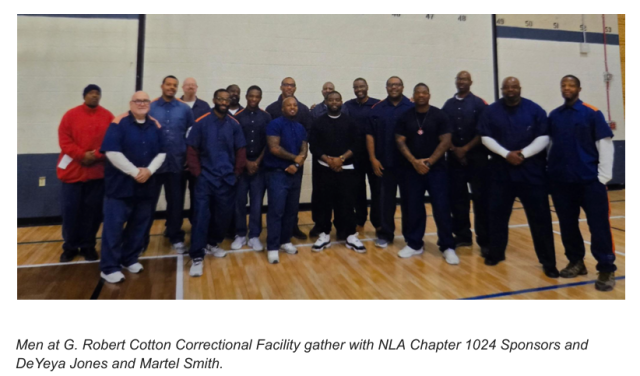 JACKSON COUNTY INMATES LAUNCH INITIATIVE TO SUPPORT VULNERABLE YOUTH AND CALL FOR STRONGER COMMUNITY PARTNERSHIPS
  By Robert T. Hines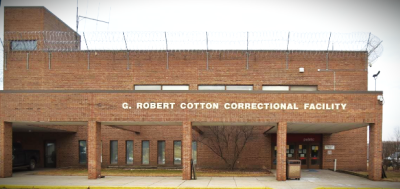



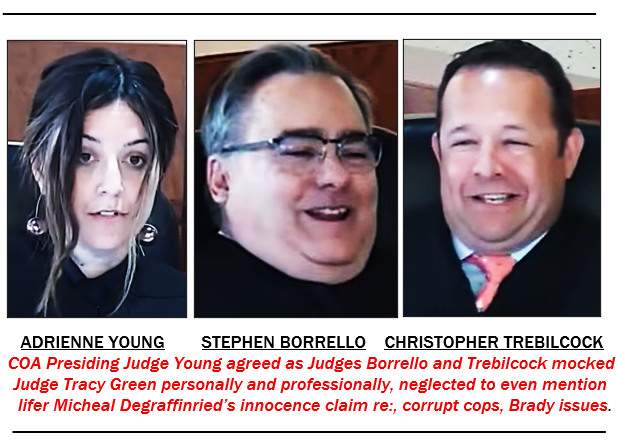
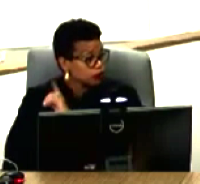

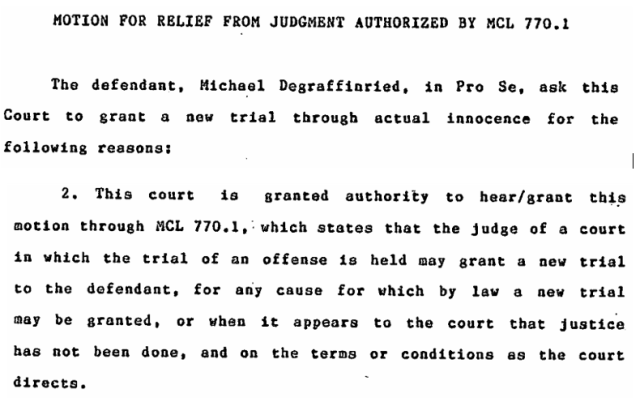

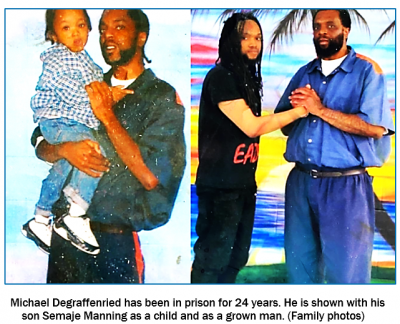 During both sets of hearings, I gained great respect for Judge Green due to her demonstrated respect for the youthful Black defendants, and the legal knowledge she displayed under pressure from a pending Judicial Tenure Commission complaint during Onomunu’s hearings. Onumonu represented himself in his appeals, and Degraffinried filed his 2020 Motion for Relief pro se. Defendants who are dealing pro se often face racist brush-offs from judges and attorneys who do not respect their intelligence, and the years they have trained themselves legally in prison law libraries.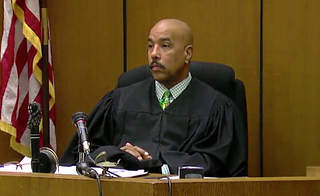
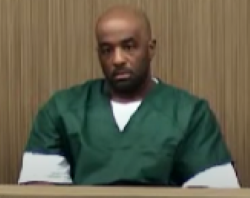

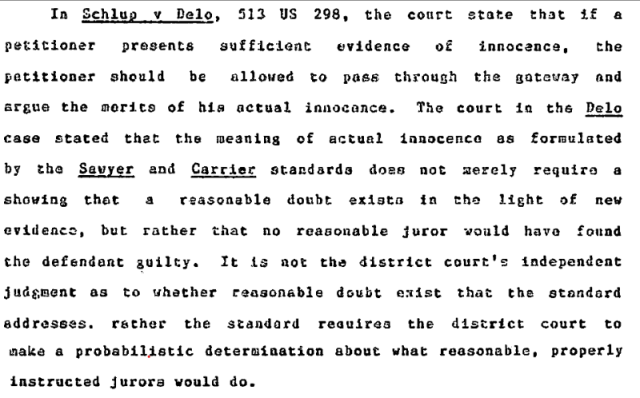
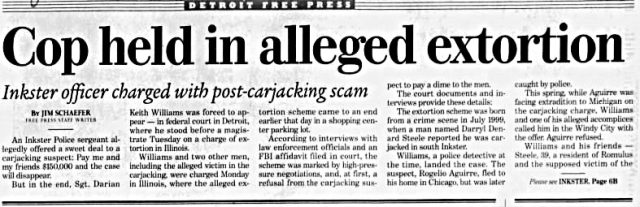
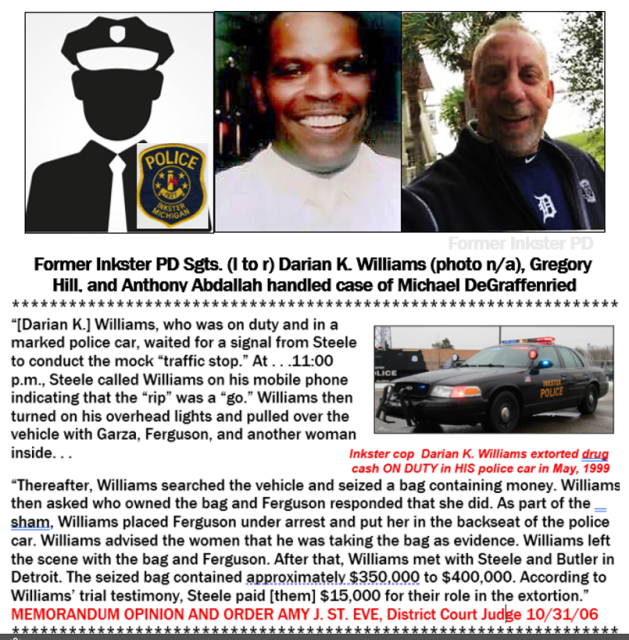 “At trial, the Government presented evidence that from May 1999 through December 3, 2001, Steele conspired with co-conspirators Darian Williams, Ernest “Newt” Butler, and Andre Patterson to extort money from drug dealers through wrongful use of fear and under color of official right,” wrote U.S. District Court Judge Amy St. Eve. “At the time of the conspiracy, Williams was employed by the Police Department of Inkster, Michigan and held the rank of Detective Sergeant.” See:
 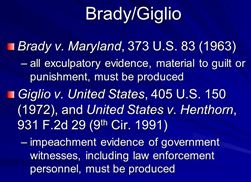 None of this information was provided to Degraffinried’s defense at trial, which would have allowed them to impeach Williams’ testimony as unreliable under the provisions of Brady and Giglio.
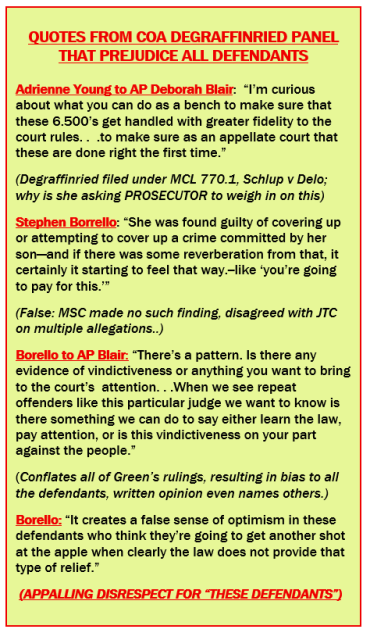 n 2019, the Michigan Judicial Tenure Commission (JTC) brought a complaint against Judge Green stemming from a custody dispute between her son and his ex-wife during divorce proceedings. Custody was granted to her son, who later was convicted of child abuse and sent to prison, and the children’s mother got custody instead.
 HISTORY OF CASE
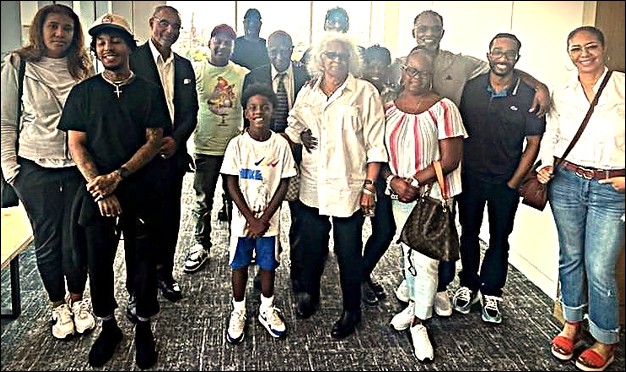
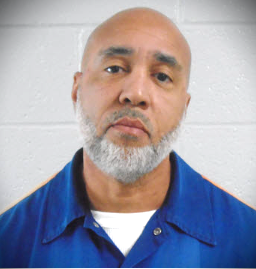
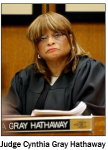 Their testimonies were ignored by previous judges on appeal, including 3rd Circuit Court Judge Cynthia Gray Hathaway.
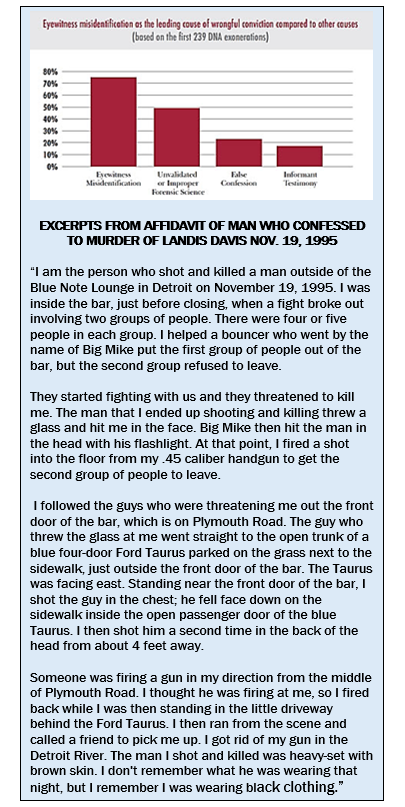 Another man came forward in 2022 and confessed in a notarized affidavit provided to the defense by private investigator Scott Lewis. He testified during an evidentiary hearing Sept. 11, 2024, in spite of his attorney’s advice to take the Fifth Amendment. (VOD is withholding his name and that of another witness who testified to validate his confession, to avoid retaliation.)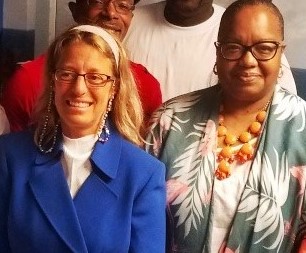
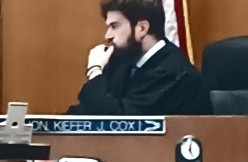
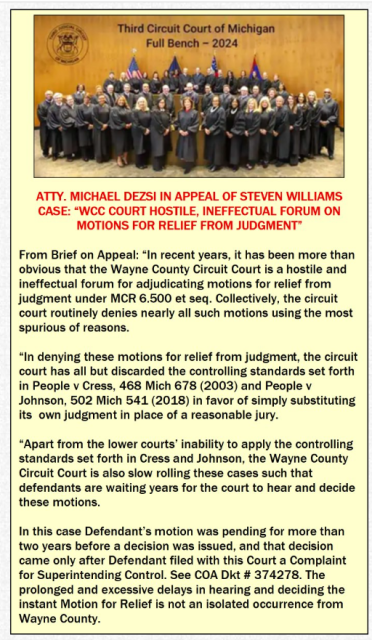 During the evidentiary hearing, Judge Cox upheld the prosecution’s objection to the testimony of Williams’ co-defendant on technical grounds. He had agreed to testify as an eyewitness who knew Steven was not involving in killing Davis.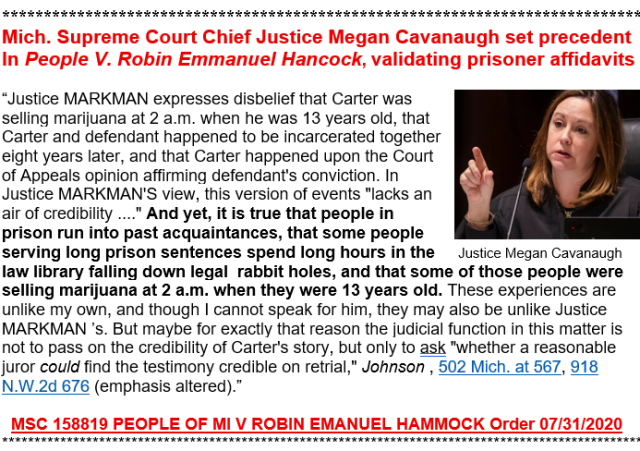
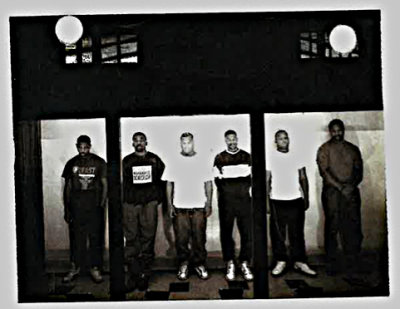
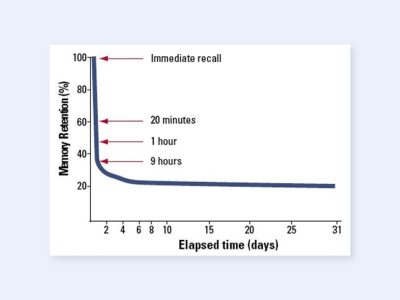
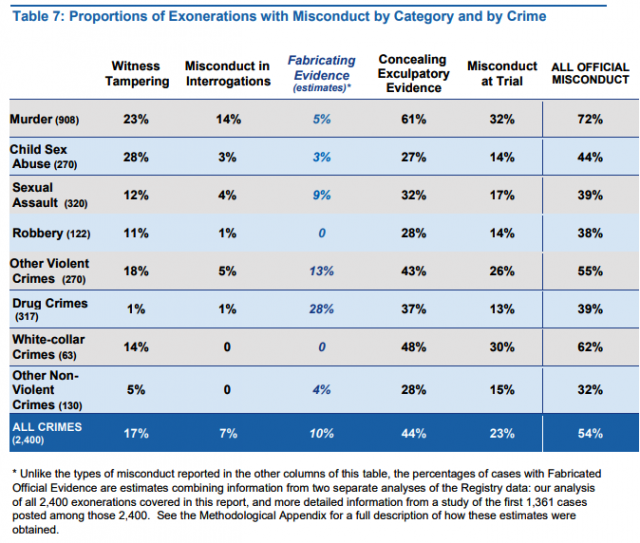
 In 1992, Carl’s life changed forever when he was framed for murder. A person named Rodnell Penn was shot and killed in the middle of the night in the neighborhood of Detroit in which Carl was living. The trail in Penn’s case soon went cold. The police found no eyewitnesses to the shooting, no blood samples or DNA evidence point to a suspect, and no murder weapon. But as has been revealed through an investigation by the U.S. Department of Justice, it was a
  One notorious detective named Joann Kinney—the lead investigator in Penn’s case—was no different. In a different case, Kinney had admitted to having someone “locked up as a witness for days without charges” and “threatening to take [the person’s] children away if she did not cooperate.” In another case, Kinney charged someone with murder “without a ‘scintilla of evidence.’”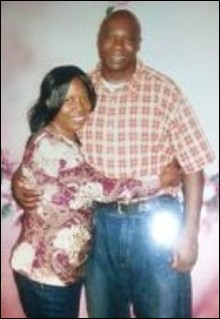

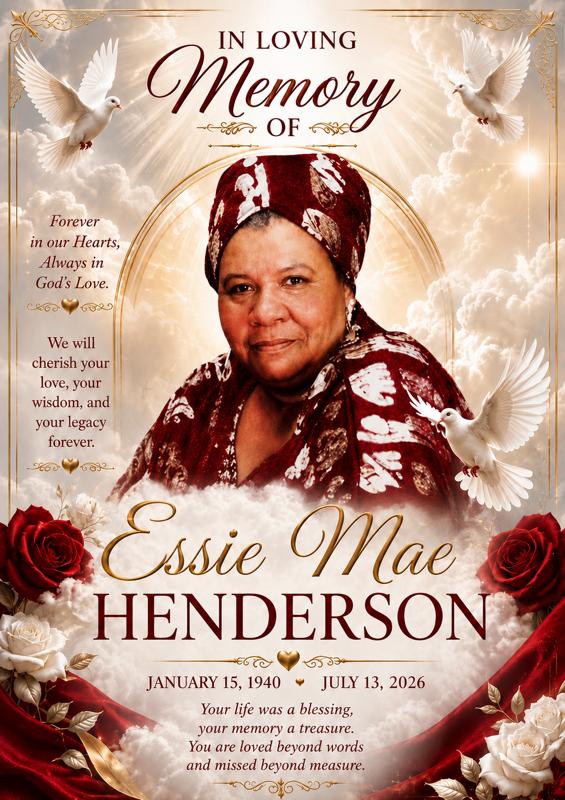
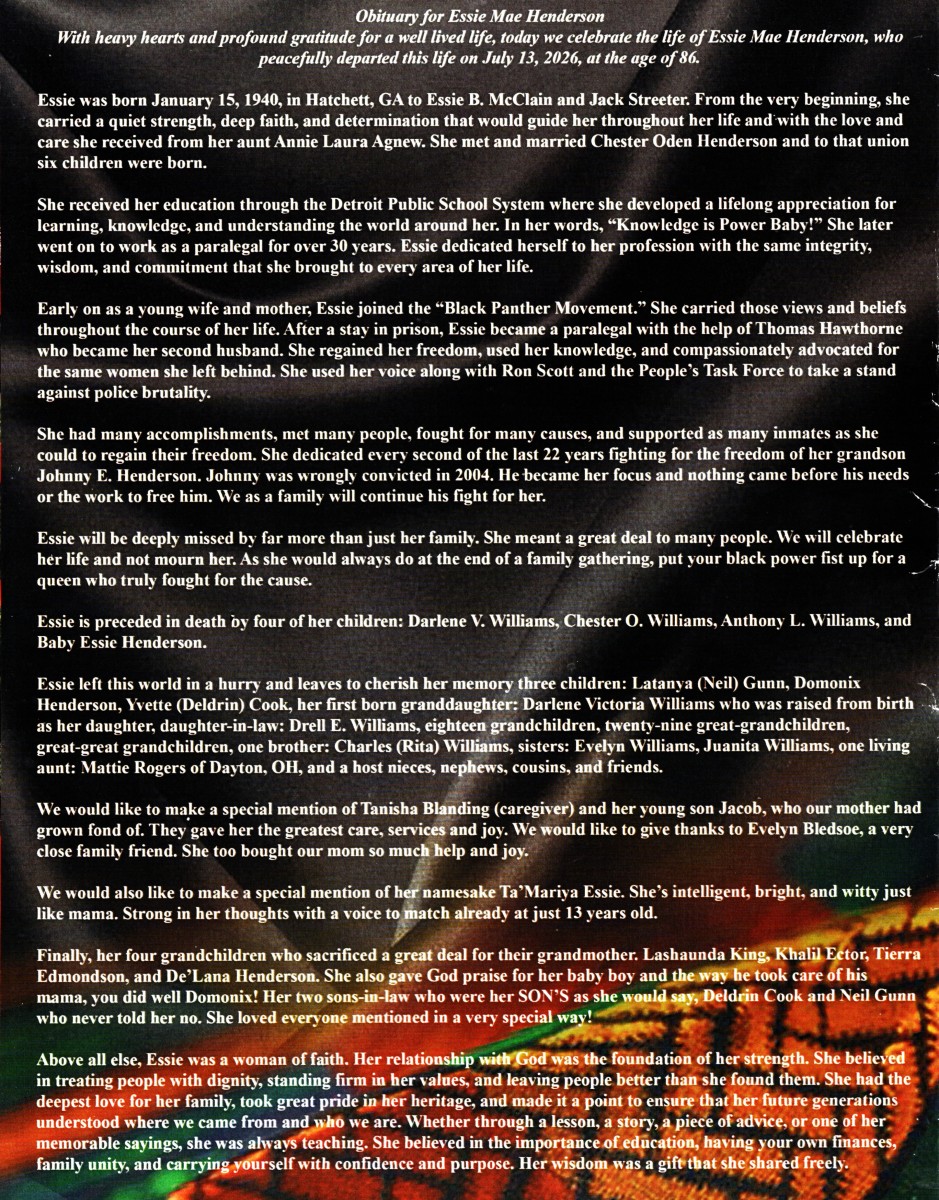
 UPDATE: VOD Editor Diane Bukowski attended the memorial for Essie Mae Henderson. It was awe-inspiring. The chapel was filled with her descendants of all ages, including young people who had been politically educated by Essie, and spoke of her with deep love and respect, calling her GranGran. Her daughter and granddaughter spoke with great passion about her life. The memorial concluded with the entire audience raising their fists and chanting “POWER.” Above is the detailed story of her inspiring life in the obituary. _______________________________________________________
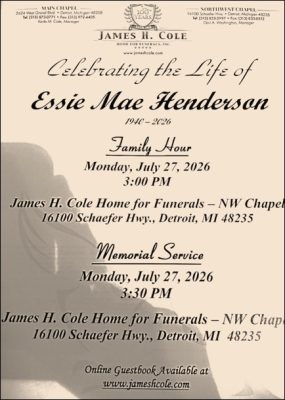 Essie Mae Henderson lived heroic life: