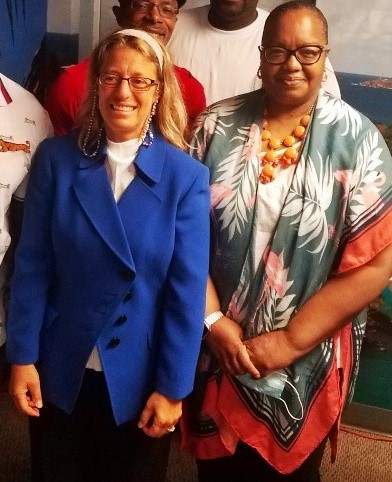
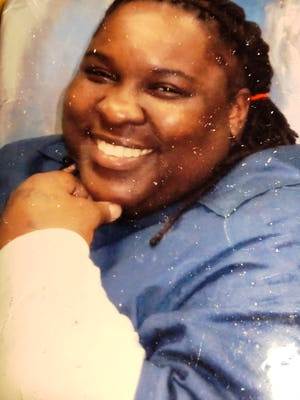
Alphonso Clark, Jr. at meeting with VOD July, 2023.
Finally home after 17 years of wrongful incarceration, Alphonso Clark, Jr. credits the support of his family in particular with providing the strength and love he needed to survive those grueling years.
“My family supported me wholeheartedly, they never wavered, never doubted what I said, believed in me a hundred percent, and did everything they could to help me,” Clark told VOD. “My mother took it the hardest out of everyone. When my family would visit, it was bittersweet, because she would cry every time on leaving, a mother losing her son all over again.”
Clark said Tonya Deanette Lindsey Clark, his mother, died of stage four cancer Jan. 11, 2022, only months after she was first diagnosed. He said handling her illness and death while incarcerated was overwhelming.
“Honestly, you just hope and pray a miracle happens, but when it didn’t happen, it was devastating, the mental trauma—being incarcerated on top of losing the one that gave birth to you,” Clark explained. “I was so lost I didn’t know what to do. It was hard just getting out of my bunk and facing the next day. Basically, I had to flip the switch to being positive, and staying out of trouble. If I was bitter, I would never have gotten up out of there.”
He added that he took self-improvement classes in prison and worked as a recreation referee. “That helped me grow as a man, because I had to deal with personalities and flared tempers. The reps get flak, get cussed out, etc. But I learned how to let it slide.”,
Robert T. Hines, co-author “The Value of Family”
Out of their shared experiences, Clark and Robert T. Hinds, who met while in prison, have co-authored, “The Value of Family,” an anthology of self-accounts and interviews with many others who have lost their loved ones while isolated behind bars from the world outside. Hinds himself is fighting his own wrongful conviction, to the extent that he is focused on proving his innocence, rather than his status as a juvenile lifer. Hinds has published numerous other books as well. (See MDOC CHIPPEWA INMATES RAISE AWARENESS ABOUT MENTAL HEALTH, ESPECIALLY IN PRISONS | VOICE OF DETROIT: The city’s independent newspaper, unbossed and unbought)
The ad on Amazon’s website says the book “is a powerful and heartfelt anthology that delves into the experiences of incarcerated men who have faced the profound challenge of losing a loved one while behind bars . . . Within these pages, their stories of grief, pain, and resilience come to life, offering an intimate exploration of the human spirit and the transformative power of family connections.”
Alphonso Clark, Jr. (in red) with (l to r) exonerees George Clark and Kevin Harrington, and Alphonso Clark, Sr.
Clark also credits many others with aiding the overturning of his wrongful conviction, including fellow Inkster residents Kevin Harrington and George Clark. The two were exonerated in 2020 after the exposure of criminal practices endemic in the Inkster Police Department at the time of their arrests and convictions.
“Harrington played a big role,” Clark said. “He tracked down witnesses, reached people I needed to reach — it was a team effort for real.”
Clark said to get the ball rolling, he hired private investigator Vicki Yost (formerly a long-time high-ranking Detroit police officer, and Chief of the Inkster Police Department).
He said Yost uncovered a lot of information about the Inkster cop involved in his wrongful conviction, Anthony DelGreco. She then set up an interview with Wayne County Conviction Integrity Unit director Valerie Newman, who assigned attorney Leana Belcher to his case.
Since his release, Clark has started his own trucking company, and a media company called Manifested Thoughts that will sponsor the release of his book.
ALPHONSO CLARK, JR.’S WRONGFUL CONVICTION
According to the National Registry of Exonerations (NRE), former Inkster Police Detective Anthony DelGreco was a chief architect of Clark’s wrongful conviction. DelGreco is also cited in the cases of two other Inkster men fighting what alleged wrongful convictions, David McKinney and Robin Emmanuel Hammock.
Hammock’s appeal led earlier to a ground-breaking ruling by the Michigan Supreme Court which said affidavits and testimony including those in prison should be treated as any other legitimate evidence.
Judge Daniel Ryan and Asst. Wayne Co. Prosecutor (name) also played roles in Clark’s case, allowing hearsay testimony over the objection of the defense, and a false depiction of Medical Examiner testimony in closing arguments.
Clark was charged with first-degree murder in the shooting death of Gregory Marshall, 43, outside his home in Inkster, Michigan on June 17, 2005.
Marshall lived with his mother Berdia Marshall and brother Terence Jones. Terence Jones and Kimberly Jones (no relation) saw the shooting from the porch. Jones told his mother to call 911 and tell the dispatcher that Clark had shot Marshall, who was laying in the street. Her 911 call was later admitted at trial for the jury to hear over the objections of Clark’s attorney Raymond Burkett, who said it was only hearsay. But Wayne Co. Circuit Court Judge Daniel Ryan allowed it. Clark said the tape of the call left the jurors in tears.
During its investigation in 2020, the the CIU interviewed Terence Jones, who recanted his trial testimony. He said that he did not see the shooter’s face and did not believe that Clark shot and killed Marshall. His mother’s 911 call was based on his original allegations.
“Neither Kevin Long, who was in front of an apartment building cater-corner to the Marshall house, nor Kimberly Jones could identify the shooter, but both told police that it wasn’t Clark, whom they knew, because the shooter was much taller,” says the NRE report. Other accounts from the report are cited in part below. Full report at http://voiceofdetroit.net/wp-content/uploads/Alphonso-Clark-National-Registry-of-Exonerations.pdf
Earlier, Anthony DelGreco received award from then Inkster Mayor Hilliard Hampton.
“Kimberly Jones would testify that Terence Jones’s account of the shooting was ‘ridiculous.’ She testified that she could not see the shooter’s face, but the man was taller than Clark, who was 5 feet 8 inches tall.
Lucresha Baker testified for the defense, as did Clark’s girl-friend at the time, Aleshia Hunter. Baker lived four houses down from the shooting and witnessed it on her way home. She said she knew both Clark and Marshall, and that Clark was not the shooter. She said she tried to tell the Inkster police what she saw, but they would not take her statement.
Hunter said Clark spent the night with her prior to the shooting and was wearing the same clothes when he left the next morning, the day of the shooting, clothes later examined by the Michigan State Police.
“Long had also been prepared to testify, but he told Clark’s attorney, Raymond Burkett, that Detective Anthony DelGreco of the Inkster Police Department had threatened to arrest him if he testified. The attorney told the trial judge. DelGreco denied intimidating Long. Both Long and another man who testified at trial later signed affidavits about DelGreco’s intimidation of witnesses on appeal.
DelGreco also testified that he submitted Clark’s clothing for testing by the Michigan State Police crime lab for evidence of blood, gunpowder, or gunpowder residue. The crime lab found no blood evidence and never performed testing for gunpowder or its residue. The gun used in the shooting was never found.
WCCC Judge Daniel Ryan
Dr. Scott Somerset, a medical examiner, testified about Marshall’s gunshot wounds. “These wounds, I numbered them just for descriptive purposes. Gunshot wound number one does not mean it was the first one. I don’t know what order these occurred. So gunshot wound number one, I arbitrarily labeled gunshot wound number one was on the left back.”
During closing arguments, the prosecutor told the jury that Kimberly Jones’s testimony should be discounted. The prosecutor continued even after a defense objection to his depiction was upheld by Judge Daniel Ryan.
“I want you to remember the testimony of the medical examiner,” told the jury. “I want you to remember how the first shot was in the back. I want you to remember how the medical examiner told you when people are shot like this, the body can fill up with blood. That’s how he died, that’s what the medical examiner testified.”
WCCC Judge Bridget Hathaway
On April 20, 2023, the CIU and attorney Leanna Belcher submitted a joint motion asking the court to vacate Clark’s conviction and dismiss his charges. The motion said, “In addition to Mr. Jones’ admissions that his trial testimony was inaccurate, the CIU discovered other credible evidence that supported that Mr. Clark was not the shooter.” The filing did not describe that new evidence.
Judge Bridget Hathaway of Wayne County Circuit Court granted the motion that day. Clark was released from prison, and his charges were dismissed. At the hearing, Clark thanked his family, Belcher, the staff of the CIU, and others for their help and support. He offered his condolences to the Marshall family and said he hoped they could get justice in Gregory Marshall’s death.
URGENT.Funds needed for quarterly web hosting charge of $465.00 by Sept. 19, 2023 or VOD and 13 years of its stories will be taken off the web.VOD is a pro bono newspaper, now devoting itself entirely to stories related to our PRISON NATION and POLICE STATE.
VOD’s editors and reporters, most of whom live on fixed incomes or are incarcerated, are not paid for their work. In addition to quarterly web hosting charge. other expenses include P.O. box fee of $226.00/yr., costs including utility and internet bills, costs for research including court records and internet fees, office supplies, gas, etc.
State and national campaign challenging mass incarceration continues
By Ricardo Ferrell
VOD Field Editor
September 2, 2023
Ricardo Ferrell
Ricardo Ferrell, VOD’s Field Editor, proudly announces that the Michael Thompson Clemency Project is inviting families, friends and supporters to the upcoming: ‘Freedom and Justice for All’ rally to be held on Saturday, September 30th, 2023 from 3-5pm, on the steps of the State’s Capitol Building in downtown Lansing.
Anyone who wish to attend can do so free of charge. There will be an open mic for those wishing to briefly tell the stories of their incarcerated loved ones who they believe warrant being considered to have their sentences commuted through the clemency process by Gov. Gretchen Whitmer. Let your voices be heard LOUD and CLEAR!!!
The time is now! Call for Freedom and Justice for All of our incarcerated men & women in Michigan who lives have been impacted by mass incarceration within the carceral system. This is the hour where we’re calling on our governor to utilize her clemency power.
(L to r) Washtenaw County Prosecutor Eli Savit, retired Oregon Governor Kate Brown, Michael Thompson, founder of Michael Thompson Clemency Project, and moderator Hill Harper (now a candidate for U.S. Senator (D-MI) at Lansing forum advocating clemency by category for Michigan prisoners April 17, 2023
In the State of Oregon, former Governor Kate Brown got it right by granting clemency to well over 1,100 people in her state. Gov. Brown is quoted in a previous VOD article stating, “I absolutely believe that the criminal justice system in the U.S. is built on the back of Black and Brown people, and… that the single most powerful tool governors have to embed justice in the system – is the clemency power.” — Kate Brown, retired Governor of Oregon
In a Related Effort:
Alexandra Bailey, Senior Campaign Strategist for the Sentencing Project, Washington, D.C.
The Sentencing Project in Washington, DC is pushing its Second Look Legislation Campaign in Michigan with the help and ingenuity of the phenomenal Alexandra Bailey. Ms. Bailey recognized the dire need for Michigan to take criminal justice reform seriously. So, she has devoted a great deal of her time working towards that end. The many thousands of men & women locked down in our state truly do owe an enormous debt of gratitude for the tireless work that Ms. Bailey and the Sentencing Project have put in and continue to put in on a daily basis. This is the climate for Change, Clemency and A Second Look!!!
Above: Efrén Paredes, Jr. speaks from prison during annual Dr. Martin Luther King Day forum in Detroit, Michigan
State Court of Appeals upholds second re-sentencing of juvenile lifer, long-time advocate/scholar Efrén Paredes, Jr. to LWOP on July 23, 2023
Shocking 4-page ruling cites unconstitutional STG designation, life of Paredes’s child as reasons; re-iterates original charges brought by notoriously racist Berrien County Courts
Atty. Stuart Friedman is appealing to Mich. Supreme Court, will provide details in upcoming brief
Ruling stuns thousands of Paredes supporters across the U.S.
EDITOR: The article following this introduction, by juvenile lifer Efrén Paredes, Jr. first appeared in Against the Current. We are re-publishing it now because on July 27, 2023 the Michigan Court of Appeals upheld Berrien County Judge Charles LaSata’s second ruling condemning Efrén Paredes, Jr. to death in prison.
The COA originally remanded the case to LaSata with the understanding that he would re-sentence Paredes to a term of years under U.S. Supreme Court rulings in Miller v. Alabama and Montgomery v. Louisiana, as then recommended by the prosecutor’s office. Michael Sepic, the original prosecutor on the case, retained control of the case despite his retirement in 2021. He reportedly promised the victim’s family during the first trial that Paredes would never see the light of day again.
The COA ruling affirming death in prison for Paredes is only four pages. It alleges Paredes belonged to a “security threat group” in prison and that he “impregnated” his wife with their child on prison premises.
It reiterates the original trial allegations against Paredes, that he was a gang leader and the actual shooter of the store-owner who was killed.
Paredes, his attorneys and supporters like Paul Condino, former chief investigative advisor for Northwestern University Law School’s Center on Wrongful Convictions have long disputed those charges.
“There is not one shred of credible evidence to suggest that Efren was involved in the murder,” Condino said. “No weapon, no eyewitnesses, no physical evidence, no motive, no prior conduct to suggest that a 15-year-old student athlete, and honor roll student with zero criminal background, would have planned, participated in or committed this murder. The community and jury were sold a bill of goods based on the words of drug dealers and thieves.”
The COA ruling has stunned thousands of Paredes’ supporters across the U.S. Paredes was 15 years old at the time of his original conviction and sentence and has had a long and illustrious history in prison as an advocate-activist and scholar.
Paredes’ attorney Stuart Friedman told VOD he is appealing the ruling to the Michigan Supreme Court and will provide more details once his appellate brief is completed in the coming weeks.
(Efrén Paredes, Jr. is Co-Chair of the Michigan Poor People’s Campaign. He is also a social justice changemaker who works at the intersection of decarceration, racial justice, and conflict resolution. You can read more of his writings or listen to his interviews by visiting http://fb.com/Free.Efren.)
Rally in Lansing, Michigan 2021
A decade after the U.S. Supreme Court banned mandatory life without parole (LWOP) sentences for justice-involved children under age 18 (“juvenile lifers”), Michigan appellate courts are course-correcting years of arbitrary sentencing outcomes which have been an affront to the rule of law.
LWOP sentences are often referred to as “death in prison” or “death by incarceration” sentences because a person who receives the extreme punishment is condemned to die in prison unless her/his sentence is commuted by the Governor which is unlikely to occur in most cases.
In multiple rulings during December 2022 the Michigan Court of Appeals and Michigan Supreme Court (MSC) vacated the LWOP sentences of ten juvenile lifers and remanded them back to the trial court for resentencing.
Juvenile lifer Robert Taylor
The MSC rulings stated in relevant part: “A court may not impose a sentence of life without parole on a defendant who was under 18 years of age at the time of his crime unless the prosecution has overcome its burden to rebut the presumption, BY CLEAR AND CONVINCING EVIDENCE, that life without parole is a disproportionate sentence.” (emphasis in original text)
The MSC’s “clear and convincing evidence” statement is a reference to a precedent-setting decision it issued in the summer of 2022 in the case of People v. Robert Taylor. [1]______________________________Taylor was re-sentenced to LWOP a third time in March, 2023 because the Supreme Court remanded his case to the COA for determination on a separate issue, that of “aiding and abetting.” The COA ruled that a juvenile could be sentenced to LWOP on that issue, and sent it back to the trial court for re-sentencing. But it left open several issues saying only the Supreme Court could decide on them. _____________________________________________________________
The number of minors resentenced to LWOP in Michigan continues to decline as trial court judges overwhelmingly reject death in prison sentences. It is also declining because the small percentage of extreme sentences that are imposed by sentencing bodies are being vacated by appellate courts.
U.S. SUPREME COURT STEPS IN
In 2012 the U.S. Supreme Court banned mandatory LWOP sentences for minors under age 18 in its landmark Miller v. Alabama ruling. [2] The court reached its conclusion based on a robust body of social sciences and neurodevelopmental research which confirm that the human brain doesn’t fully develop until the mid-20’s and people’s character and identity formation continues to change throughout their lives.
Researchers have found that the areas of the adolescent brain that are underdeveloped are responsible for impulse control, problem solving, resisting peer-pressure, and conducting a cost-benefit analysis of risky behavior.
Teenagers focus on short-term consequences. They also lack the cognitive and psychosocial development to accurately predict future outcomes. Individually or collectively these traits can lead to engaging in criminal misdeeds.
In reaching its decision the U.S. Supreme Court replaced the mandatory component of sentencing children convicted of homicide crimes with a discretionary option. The change provides sentencing bodies discretion to impose term-of-year or LWOP sentences.
Term-of-year sentences allow people to be released one day if they are able to survive decades of incarceration.
The U.S. Supreme Court made it emphatically clear, however, that only minors who are “irreparably corrupt” (i.e., forever incapable of change and rehabilitation for the remainder of their lives) are candidates to receive a death in prison sentence. Any child who demonstrates the capacity for change and rehabilitation must be sentenced to a term of years.
It would be four more years before the U.S. Supreme Court would make the Miller ruling retroactive in 2016 in the case of Montgomery v. Louisiana, [3] making it applicable to all cases including those which had previously exhausted their direct appeals.
WHAT THE NUMBERS SHOW
Families and supporters of juvenile lifers flooded the State Capitol to lobby for bills that would have made them eligible for parole even before the US Supreme Court ruling in Miller v. Alabama in 2012. Photo May 6, 2009. Wayne Co. Pros. Kym Worthy and the prosecutors from Oakland and Berrien Counties spoke against the bills, which were defeated.
Since 2016 when juvenile lifer resentencing hearings began, 287 of the total 363 Michigan juvenile lifers have received term-of-year sentences. The minimum sentence allowed ranges from a substantial 25 to 40 years. The maximum portion of the sentence is a mandatory 60 years (e.g., 25-60 years, 30-60 years, 40-60 years, etc.).
The average term-of-year sentence received has been 32.5 years and the average person has been nearly 45-years-old at the time of resentencing.
Seventy-six people still await having their LWOP sentences reviewed for resentencing consideration. There are also currently 11 remaining Michigan juvenile lifers originally sentenced to death in prison who received the sentence for a second time after their cases were considered for resentencing.
The latter individuals await an appeals court to vacate their sentences so they can be properly resentenced for a third time to a term of years.
Despite 79% of Michigan juvenile lifers who committed crimes between ages 14-17 being resentenced thus far Michigan has the shameful distinction of leading the nation as the state with the highest number of minors sentenced to LWOP.
A VIEW FROM THE INSIDE
JUVENILE LIFERS FROM WAYNE CO. STILL HELD IN 2021. VOD IS FOLLOWING UP ON THEIR STATUS. Wayne Co. Pros. Kym Worthy refused to recommend re-sentencings to terms of years for all.
As a soon to be 50-year-old juvenile lifer who has been incarcerated in Michigan since age 15 I’ve observed the enormous capacity for transformative change and rehabilitation incarcerated people possess. I know this not only through the prism of my own lived experiences as a husband and parent, but also through my personal interactions with thousands of other incarcerated people during the nearly 34 years I have spent behind bars.
Whether it’s successfully completing self-help or rehabilitative educational, vocational, or counseling programs during their time caged in carceral exile, juvenile lifers are constantly evolving. Some more than others, and some quicker than others.
During times they struggle with their transformation it often occurs when they lack support, connection with the outside world, and/or struggle to find purpose and hope amid recurring thoughts of being condemned to breathe their last gasp of air alone behind prison walls.
Some of their beliefs have been reinforced by the painful reality that since 2012 seven juvenile lifers have died in prison while awaiting the opportunity to be released. Two of them died after being resentenced to a term of years.
Sentencing minors to death in prison is divorced from the reality that people can and do change. No adult is the same person they were in their teenage years. According to Mihailis E. Diamantis, author of the article, “Limiting Identity in Criminal Law:”
“Identity development never ceases: the persons adolescents will become are not the persons they will remain. The process of self-identification and redefinition lasts a lifetime.” [4]
I’ve come to learn it’s important not to define people by a single event in the spectrum of life — neither by their worst mistake nor greatest success. Human beings are a culmination of their lived experiences. It makes more sense to measure people by the totality of their choices and experiences rather than a snapshot in time.
THE LIVES OF FREED JUVENILE LIFERS: 1% RECIDIVISM RATE
Five months ago the MSC stated, “A steady line of precedent from the Supreme Court could not be clearer — persons under 18, as a group, are less culpable than adults, more prone to outside influence, and more likely to be rehabilitated. For these reasons and others, juveniles are ‘less deserving of the most severe punishments.'” [5]
Chart shows races of juvenile lifers in Michigan, counties where they were convicted. Wayne Co. far outstripped the rest.
When we examine the lives of the 172 juvenile lifers who have been released from prison their recidivism rate ranks the lowest of any demographic released from Michigan prison at less than 1%. The national recidivism rate for all people released from prison is 68%. [6]
According to Preston Shipp, Senior Policy Counsel at the Campaign for Fair Sentencing of Youth, “Nationwide, 935 formerly life-sentenced children and counting have been released back to society based on changes in the law.” He adds, “They are now home, thriving, raising families, working, mentoring at-risk youth, and finding creative, imaginative ways to serve their communities.”
This can be attributed not only to their capacity for change and rehabilitation, but also to the fact that in each instance it is the first time they will be afforded the opportunity to experience freedom for the first time in their adult lives.
They acknowledge the mercy bestowed upon them. They also bear the emotional and psychological scars of spending decades of their lives condemned to die in prison. To eschew returning to this horrific life they commit to becoming a better version of themselves by making prosocial choices and striving to become thoughtful, sound consequential thinkers.
Former juvenile lifer Edward Sanders earned his B.A. in prison, then an M.S. after release. He has worked as a paralegal since then.
A 2022 report titled, “White Paper on the Science of Late Adolescence: A Guide for Judges, Attorneys, and Policy Makers,” found “[i]t is currently not possible to reliably predict an individual adolescent’s future developmental trajectory based upon current presentation and past history.” Additionally, “It is also currently scientifically impossible to reliably predict how much or how quickly an individual will change with age based on their presumed brain development, history, or current behavioral profiles.” [7]
Juvenile lifers have repeatedly proven this research to be true. They have demonstrated they can change and do better if afforded the opportunity, even when sentencing courts originally misjudge them and make erroneous predictions that they will be forever irredeemable.
DISPARATE CONSEQUENCES OF EXTREME YOUTH SENTENCES
Twenty-five states across the country and the District of Columbia have banned death in prison sentences for justice-involved children. Nine other states have no one serving the sentence who was convicted as a minor. [8] This leaves Michigan among the 16 outliers who still impose the sentences.
Glaring racial sentencing disparities also exist between children of color and their white counterparts.
Prior to the landmark 2012 U.S. Supreme Court ruling banning mandatory LWOP sentences for minors, though children of color comprised 27% of the child population in Michigan they were 71% of the children sentenced to death-by-incarceration. [9] Since that time eleven of the new juvenile lifers sentenced to LWOP in Michigan — or 73% — have been children of color, reflecting no regard for decreasing racial sentencing disparities.
As a directly impacted person of color I know this all too well. As of December 29, 2022 I am the only Latino of the 11 remaining juvenile lifers resentenced to death in prison in Michigan who awaits being resentenced to a term of years.
Discriminatory sentences for similarly situated people violate the Equal Protection Clauses of the Michigan and U.S. Constitutions [10] and offend internationally recognized human rights treaties. Racialized harms committed by the criminal legal system against people of color are also largely responsible for fueling the scourge of mass incarceration.
A two-tiered legal system produces inequitable results by othering members of out-groups from marginalized and underserved communities.
“The only surefire way to eliminate racial bias and arbitrariness in [Miller v. Alabama] sentencing is for states to … eliminate life without parole for children[,]” according to Kathryn E. Miller, Clinical Assistant Professor of Law at Cardozo Law School. [11]
RECOGNIZING CHILDREN AREN’T ADULTS
On July 28, 2022 the MSC issued a ruling in People v. Parks, Docket No. 162086, which raised the age of minors entitled to the protections afforded in Miller v. Alabama to include persons 18 years of age. The high court is also asking the Michigan Court of Appeals to consider whether the state should raise the age to include late-adolescents up to 21-years-old which is widely supported by evolving brain science. [12]
The recent move by the MSC is an indicator that the high court is breaking away from decades-old beliefs about human evolution and making decisions informed by a dearth of evidence-based, twenty-first century scientific results.
Children receive a panoply of legal protections because society widely recognizes they are too developmentally immature to make the same responsible decisions as adults (e.g., purchase alcohol, vote, join the military, etc.). Their protections shouldn’t abruptly end when they make irresponsible mistakes.
THE U.S. IS THE ONLY COUNTRY IN THE WORLD THAT SENTENCES CHILDREN TO DEATH IN PRISON.
It is a universally recognized unmistakable fact that children are not adults. They are also a product of their environment they are typically unable to extricate themselves from no matter how pernicious it may be to them.
In the interest of public safety children rightly deserve to be held accountable for the harm they commit. However, the penalty should be proportional and developmentally aligned to their diminished culpability and still unformed character.
The criminal legal system should never treat minors as though they are miniature adults nor should children be subjected to the harshest punishments adult offenders are eligible to receive.
FORWARD-THINKING CONSIDERATIONS
Weaponizing public fear to demonize children and justify harsh sentencing policies has proven to be an ineffective approach to deter people from committing crime. This is especially true as it relates to young people.
Society should invest more money and resources dealing with the root of the crime problem than on its symptoms if we are serious about preventing harm. Investments in education and community-based programs such as counseling, mentorships, and after-school programs provide far greater preventive measures against crime the earlier they are made available than the threat of warehousing bodies in cages.
President Barack Obama speaking on Trayvon Martin case.
In a 2017 Harvard Law Review article President Barack Obama wrote:
“How we treat citizens who make mistakes (even serious mistakes), pay their debt to society, and deserve a second chance reflects who we are as a people and reveals a lot about our character and commitment to our founding principles. … [It] speaks to who we are as a society and is a statement about our values — about our dedication to fairness, equality, and justice, and about how to protect our families and communities from harm, heal after loss and trauma, and lift back up those among us who have earned a chance at redemption.” [13]
We would do well to meet this moment by utilizing the wisdom of President Obama as a torch to lead us out of a benighted era of extreme sentencing policies against justice-involved children into an enlightened era that recognizes “youth matters in sentencing.” [14]
Archaic policies that eternally banish people to cages for youthful mistakes or bad behavior are antithetical to decency and human dignity. Promoting justice for minors means choosing life-affirming options like healing and restoration over destructive forces like hate and vengeance.
Kuntrell Jackson and Evan Miller, the plaintiffs in Miller v. Alabama, were each 14 at the time of conviction. Paredes was 15.
The U.S. Supreme Court made it clear that only minors who demonstrate they are irreparably corrupt (i.e., forever incapable of change and rehabilitation) are candidates to receive death in prison sentences. However, asking sentencing judges to predict who is forever incapable of change and rehabilitation is an impossible task, as stated earlier.
Rather than ask sentencing bodies to engage in conjecture that will yield capricious results I invite the Michigan legislature to abolish death behind bars sentences for justice-involved children and join the majority of U.S. states which have replaced it with term-of-year sentencing options.
This humane policy change will provide minors with a meaningful, realistic, and achievable opportunity for release consideration later in their adult lives based on demonstrated change and rehabilitation. It’s a common sense approach to justice for children that acknowledges all stakeholders in the legal process by creating space for both accountability and the possibility of redemption.
Most importantly it promotes equity, a hallmark of our criminal legal system we should strive to uphold each day.
Voice of Detroit has long advocated that prosecutors, along with the cops responsible for wrongful convictions, must be brought to justice. In a just world, they would serve the same penalties as the people they sent away to prison for LIFE, stealing their LIFE, LIBERTY AND PURSUIT OF HAPPINESS forever!
The wrongful convictions, which included torture, of Jackie Wilson (above) and his brother Andrew resulted in criminal charges vs. two states attorneys March 8, 2023.
In Cook County, New York city and other locations across the country, prosecutors have been variously indicted, fired, lost their law licenses, and otherwise punished for the unspeakable crimes they have committed, largely against poor people and people of color.
In Wayne County and across Michigan, such crimes by cops aided by prosecutors have been rampant. When will justice be meted out here?
“Special prosecutor Lawrence Oliver II on Wednesday unsealed charges accusing longtime prosecutors, Nick Trutenko and Andrew Horvat, of lying about Trutenko’s decades-long relationship with a key witness against a man accused of the 1982 murders of two Chicago police officers.
Jackie Wilson’s case, and that of his brother, Andrew Wilson, was marred by some of the first documented allegations of torture by disgraced Chicago Police Department Cmdr. Jon Burge and would see Wilson stand trial for the killings of Officers William Fahy and Richard O’Brien three times.” —Chicago Sun-Times, March 8, 2023
Women prisoners in Michigan watched hopefully as our fellow male counterparts received justice. Witnessing the unified brotherhood experience exoneration at a rate never known in the history of wrongful convictions.
Does anyone see the gender disparity?
I’ve personally maintained my innocence since the initial arrest. No one cared to listen. No one ever investigated the story told. Orders were given by the judge that were not adhered to. Manifest errors. Systemic biases. False witness testimony. Prosecutorial misconduct. There are many women here just like me. Different cases, same injustices.
Marchers demand end to abuse at Women’s Huron Valley Jan. 25, 2022.
Who helps the underprivileged?
I’ve frequently inquired as to the status of relief for women. I was Blessed to speak to the woman that signed off on my experienced miscarriages of justice. According to her…” missing files on a 2011 conviction was unacceptable “. Approaching two years now… STILL NO ACCOUNTABILITY.
In 2021 I was granted a Discovery Motion, then denied after the hearing because, according to prosecution, my files are missing. I’m met with nonchalance as if my life does not matter. As if women are not just as capable of doing wonderful things in our communities. We are! Women have lived experiences and are prime citizens to attribute to peer support. Understanding the importance of wrap around services upon release to reduce recidivism. I know many dedicated women willing to uplift and do exemplary works upon exoneration.
From my understanding, the CIU’s, Clinics, and Projects are swamped with gross malfeasances and there are lots of outright actually innocent individuals confined that’s deserving of an exoneration. The judicial process fails the mass majority of underprivileged citizens. Once a jury affirms guilt, it’s far too easy to fall down a rabbit hole.
The result of unchecked power in Michigan’s criminal processing, starting with the police and justice denied in the courts. How does an innocent person spend 47 years in prison? How long must we suffer?
Create a cubicle for women cases only. Separate us from the men since they have many institutions and we only have one. Michigan has funding for important issues. Increase the funding for CIU’s, Clinics, and Projects. Our lives are important!
At the Federal level; provide Incentives to prioritize the exoneration of women. Other countries would be condemned for this treatment of their citizens. America… the land of the FREE has one of the highest rates of incarceration.
Michigan’s justice system has a moral responsibility to women as well as the men. No person is deserving of deprivation of Life, Liberty, and the pursuit of Happiness.
Support SECOND LOOK LEGISLATION. It would give judges space to right the wrongs with many convictions.
Tamerra Washington 486364
WHV
@ Tamerra Washington on Facebook
@ MissCarrying Justice League on Facebook
www.MCJL-Registry.com
URGENT: Voice of Detroit is a pro bono newspaper, now devoting itself entirely to stories related to our PRISON NATION and POLICE STATE. Funds urgently needed for web hosting charge of $465.00 Sept. 4, ongoing expenses.
VOD’s editors and reporters, most of whom live on fixed incomes or are incarcerated, are not paid for their work. In addition to quarterly web hosting charge. other expenses include P.O. box fee of $200/yr., costs including utility and internet bills, costs for research including court records and internet fees, office supplies, gas, etc.
Event addressed spectrum of trauma, its relevance during mitigation for juvenile resentencing, how it can be significant to Second Look legislation.
Speakers included leaders from faith community, NOI, MSTA, Nat’l Lifers; mental health pros, singer Shawn Harris, author-organizer Robert Hinds
Ricardo Ferrell (l) Omar Warlick (r)
By Ricardo Ferrell, VOD Field Editor With Omar Warlick, Guest Writer
August 9, 2023
KINROSS TWP. – Seeking new ways to create an impact on the community by giving back has become the norm for the inmates at Chippewa Correctional Facility in Michigan. On Wednesday, June 28, the Christian Faith Community, The Nation of Islam (NOI) Prison Study Group, The Moorish Science Temple of America (MSTA) Prison Study Group, and The National Lifers of America (NLA) united to host an interfaith trauma and mitigation symposium that raised awareness about mental health.
Twannie Gray (l); Assegid Mersha (r)
The event featured guest speakers:
Twannie Gray LMSW, Founder Solution Behavioral Health
Assegid Mersha LMSW, published author, Founder of Reenvision You Counseling and Therapeutic Services.
The symposium addressed the spectrum of trauma and its relevance during mitigation for juvenile resentencing, as well as how it can be significant to the pending Second Look legislation.
Robert Hinds: author, juvenile lifer fighting for exoneration, organizer
While mental health is trending as a hot topic in main culture, it’s a significant issue inside of prisons too.
“Most of us have experienced trauma in some way. This was our opportunity to bring attention to this issue. Collectively, we agreed that mental health was the cause that we would support,” explained event organizer and author, Robert T. Hinds.
“The efforts being made in the African American community towards eliminating the stigmatization of mental health is a step in the right direction,” said Demel Dukes. Dukes is the NOI Prison Study Group Coordinator, Vice President of the National Lifers Association, and a Parole and Commutation Facilitator.
While mental health services inside of Michigan prisons are scarce, one program offered to inmates inside of the Chippewa Correctional Facility to help with mental wellness is called “The Compassion and Accountability Course.” Developed by singer, songwriter, and producer, Shawn Harris (who is also the author of hit song, “Body Language” featuring Shawn Harris, Big Sean, Jhene Aiko, and Ty Dolla $ign, the program has already helped over 300 men.
Shawn Harris
The course places an emphasis on the capacity to express sympathy, empathy, and compassion, which coincides with the requirements of the parole board.
“Accepting full responsibility for our criminal actions and having remorse is vital for anyone who truly wants to be rehabilitated,” said Harris.
According to Hinds, the symposium was designed to create mental health awareness and to provide effective tools to assist men inside the prison walls. Hinds, author of several projects, isn’t new to advocating for mental wellness.
He recently partnered with Mersha to publish a book titled, “Taking The Reign: A Guide To Overcoming Emotions (Authors’ Expanded Edition)”. The book includes a collection of raw and engaging stories from 25 other incarcerated men and is geared towards helping young men ages 11-18 identify and understand their emotions.
In the book, each of the contributing writers provide youth with real life accounts about how they dealt with their emotions prior to prison, their physical responses to these emotions, and their advice to young men today. In a unique way, the project allows the inmates to mentor young men from a distance by sharing their personal stories.
In addition to the personal narratives, Mersha provided a wide range of mental health exercises and tools for youth to utilize to manage and overcome their emotions.
Overall, Hinds has developed a diverse portfolio of written works. He is also the author of “Peter the Praying Mantis”, “Taking the Reign: 27 Reflections on Overcoming Emotions for Teen Boys” and “The Vault: A Simple Guide for Building Your Entertainment Empire”.
In addition, he recently collaborated on other writing projects promoting positive initiatives including a children’s book for urban youth promoting literacy titled “Robert Reads”, and “Etiquette and Professional Development Guide: Preparing for Reentry and Success”, a national program to help prepare returning citizens for adapting to society effectively that will be introduced into state and federal institutions later this year. All of the publications, as well as information on how to become a trained facilitator for the etiquette and professional development program can be found at https://www.alifeforalife.og/bookstore.
“Neither I nor the other men involved in helping organize these projects, writing books, developing courses, or facilitating programs are being paid to do so,” said Hinds. “The only profit we receive is the sense of purpose we feel from doing the hard work and the benefit of knowing that we are giving back to the community.”
The trauma and mental health symposium was just one of the special events spearheaded by the men at Chippewa Correctional Facility this year to provide educational opportunities for the inmates and to support nonprofit organizations.
The inmates continue to strive to demonstrate through their goodwill efforts that they aren’t “irreparable” and that they can offer great value to the community. As they remain committed to hosting events like the trauma and mental health symposium, they are also contributing to rehabilitation and mental wellness of others.
“Partnering with these organizations to carry out their mission was an honor,” said Gray. “I’m thankful to be a part of it and to assist in any way.”
Related VOD Stories: by Field Editor Ricardo Ferrell
MDOC LIFERS CONVICTED ON WORD OF CORRUPT DETROIT COPS; MANY MORE STILL SERVING TERMS OF DEATH IN PRISON
CORRUPT COPS: WILLIAM RICE, WALTER BATES, DONALD STAWIASZ, DAVID PAUCH, MOISES JIMENEZ
BY MARK MCCLOUD-EL
Chairman of NATIONAL LIFERS OF AMERICA, INC.Chapter #1016 Mark McCloud #199143 4269 West M-80 (URF) Kincheloe, MI 49784
August 5, 2023
CIU Director Valerie Newman with WC Prosecutor Kym Worthy during Worthy’s 2020 re-election campaign.
Why won’t Wayne County Prosecutor Kym Worthy release all the men whose cases were worked on by the corrupt Current and Former Detroit police officers listed below?
Investigations conducted by the United States Justice Department, the FBI, the Wayne County Prosecutor’s Office, and its Conviction Integrity Unit have already revealed that the officers are corrupt.
There is NO other investigation that a prisoner can conduct that would be any more convincing! It is unimaginable to think that these corrupt Detroit police detectives only lied under oath in one case. Planted evidence in one case. Coerced witnesses to lie in one case. Withheld evidence in one case. Committed perjury in one case. Fabricated evidence in one case.
In writing this article, I simply spoke with men in two housing units and came up with the names of men within this piece. There are hundreds of men whose cases were worked by these proven corrupt Detroit police.
To allow the officers to simply ride off into the sunset and collect a pension after a career of corruption is UNIMAGINABLE!
PART ONE
Investigations and prosecutions of these corrupt Detroit police were conducted by the highest levels of government. The United States Department of Justice (DOJ); The Federal Bureau of Investigation (FBI)(ATF); The United States Secret Service; The Office of Housing and Urban Development (HUD); The Wayne County Sheriff’s Office; The Michigan State Police (MSP); The Detroit Police Department (DPD); The Wayne County Prosecutor’s Office; The Wayne County Conviction Integrity Unit (CIU); The University of Michigan – Innocence Clinic; and The Cooley Law School Innocence Project.
WILLIAM RICE
Former Detroit police homicide Sgt. William Rice. He rose to the head of the Detroit police homicide division.
He was convicted of DRUG DEALING, MORTGAGE FRAUD, and PERJURY while working as a Detroit homicide officer. (Detroit Free Press Nov. 13, 2012). He served time within the Michigan Department of Corrections (MDOC).
In the case of Arthur Bell, the courts found that Rice had deliberately concealed Bell’s homicide file, until Bell finally obtained it and won a ruling from U.S. District Court Judge Arthur Tarnow overturning his conviction on the evidence in the file. That ruling was overturned by the Sixth Circuit Court of Appeals. Rice’s practices were reminiscent of the practices of former DPD Major Crimes Chief George Stewart, which led to the exposure of DPD’s practice of hiding exculpatory “miscellaneous” files by Atty. Sarah Hunter, and the exoneration of Dwight Love in 2002.
The Detroit Free Press published a series of front-page articles on Bell’s case and Rice’s questionable history in 2012. Regarding Rice’s concealment of the Bell homicide file, Wayne Co. Prosecutor Kym Worthy claimed this was a rare occurrence and continued fighting Bell’s appeals. He remains in prison over a decade later.
WALTER BATES
Marvin Cotton (l) Anthony Legion (r), convictions overturned.
Former Detroit police homicide Sgt. Walter Bates. Convicted in Federal Court of fifteen counts of bank robbery. He was addicted to gambling and caught up in debt. He used his knowledge as a Detroit police officer to commit the robberies. He still gets his pension. See U.S. v. Bates, 552 F.3d 472 | Casetext Search + Citator.
Bates is also cited as a Defendant in a civil lawsuit brought last yeart by two exonerees, Marvin Cotton and Anthony Legion, which also cites DPD officers Donald Hughes, Ernest Wilson and Santonion Adams. The lawsuit alleges Bates had supplied all the details of a coerced confession from Cotton to Ellis Frazier Jr., a well-known jail-house snitch, “who had never met Cotton in the jail. Before Frazier Jr.’s appearance at trial, Bates showed Frazier Jr. a picture of Cotton and told him where Cotton would be sitting in court so Frazier Jr. could make an accurate in-court identification.” See lawsuit at http://voiceofdetroit.net/wp-content/uploads/Cotton_et_al_v_Hughes_et_al__miedce-22-10037__0001.0-1.pdf
Former Detroit police homicide Investigator Donald Stawiasz. He rose to the head of Detroit police homicide division. In 2017, it was discovered that in 1992 he gave false testimony – lied under oath about ballistics evidence, and switched out bullets to frame an innocent man, Desmond Ricks. That innocent man spent 25 years in prison for a crime he did not commit and was later exonerated. He later won a $7.5 million civil lawsuit. (See Rochelle Riley article, Detroit Free Press August 26, 2017).
Desmond Ricks (r) and U-M Innocence Clinic Prof. David Moran (l) at court hearing. Photo: Daily Mail
DAVID PAUCH
Former Detroit police Ballistic Expert David Pauch. He worked with Detroit police homicide Investigator Donald STAWIASZ — and together they conspired to frame an innocent man (Desmond Ricks). The two Detroit police officers switched out the bullets and lied under oath, lied on affidavits to the Court, and lied on official Detroit police department reports and lab reports to frame Mr. Ricks. (See article by: Rochelle Riley, Detroit Free Press columnist, August 26 2017).
Then DPD Police Chief James Craig and Wayne Co. Prosecutor Kym Worthy each pledged to investigate other cases involving these cops, but did not.
MOISES JIMENEZ
Former Detroit police homicide detective Moises Jimenez. Rose through the ranks of the Detroit police department and worked for years in Homicide’s “REDRUM” squad that investigated drug – related killings.
In a 2012 murder investigation, detective Jimenez coerced a jailhouse informant to give fabricated testimony to frame an innocent man (Kenneth Nixon) for a double arson murder. Detective Jimenez promised the jailhouse informant an early release on a pending case if the informant lied — and testified that an innocent man confessed to the double murder. After Nixon served sixteen years in prison, the Wayne County Conviction Integrity Unit (CIU) and Cooley Law School Innocence Project, found that detective Jimenez fabricated the entire story.
Jimenez was also the Officer in Charge in the case of another exoneree, Alexandre Ansari, who spent six years in prison. There is currently ongoing civil litigation in Ansari’s lawsuit against Jimenez, involving contentions that Jimenez feared retaliation from Mexican drug cartels if he pursued what is now alleged to be the actual killers. Jimenez denies those allegations.
Former Chief of Detroit Police Department William Hart. He joined the Detroit police department in 1952 and worked his way up the ranks. He became Chief in 1976 and held that position until 1991. He was suspended due to a Federal Grand Jury Investigation. See In re Grand Jury Investigation, 992 f2d 1266.
Chief William Hart was convicted of embezzlement and tax fraud, after it was discovered that he embezzled funds from a covert operation fund while he was chief and reported none of the money as income on his tax returns. He was sentenced to a Ten Year Prison term and ordered to pay restitution in the amount of $2,347,710.90.
ERNEST WILSON
DPD Sgt. Ernest Wilson (l), Exoneree Mubarez Ahmed (r).
Former Detroit police homicide Investigator Ernest Wilson. He rose to the rank of Investigator within the Detroit police department — homicide division. He routinely assaulted people to obtain false/fabricated confessions.
He also coerced witnesses in cases, most prominently, he told the sole witness to falsely identify Mubarez Ahmed, who has since been exonerated. Ahmed sued the City of Detroit and Wilson, winning nearly $10 million.
These are just a few corrupt Detroit police homicide detectives, responsible for sending innocent men to prison. The corruption extends far beyond these named detectives.
So why hasn’t the Wayne County Prosecutor’s office released any or all of the men listed above, whose cases were worked on by these corrupt police? It appears that the prosecutor’s office wants each man listed above to prove independently, what each corrupt police officer did in their case. It is UNIMAGINABLE to think that these corrupt Detroit police homicide detectives only planted evidence in one case! Lied under oath in one case! Withheld evidence in one case! Coerced confessions in one case! Et cetera!
URGENT: Voice of Detroit is a pro bono newspaper, now devoting itself entirely to stories related to our PRISON NATION and POLICE STATE. Funds urgently need to keep VOD going.
VOD’s editors and reporters, most of whom live on fixed incomes or are incarcerated, are not paid for their work. Ongoing costs include quarterly web charges of $460.00 (DUE AUG. 19, 2023) P.O. box fee of $200/yr. and other costs including utility and internet bills, costs for research including court records and internet fees, office supplies, gas, etc.
“THE SECRET OF JOY IS RESISTANCE!” (Quote from Alice Walker book) Darrell Ewing smiles broadly as he leaves court with boxes of his pro se filings. He is representing himself. His standby Atty. Christopher Sinclair is at right.
Family and supporters of Darrell Ewing in court July 6 include his mother LaSonya Dodson (l), father Ricky Ewing (back) and sister CeeCee Ewing (r). Searcy’s family is shown in video of entire court hearing below.
Darrell Ewing, Derrico Searcy’s new trial hearings continue July 6, nearly five years after convictions overturned in 2019.
Judge Cox sets motion hearing for Oct. 10, 2023; due date for motions August 15, response Sept. 12, final conference and trial March 25, 2024.
Ewing files pro se motions to dismiss charges due to seven “egregious” pre-trial Brady violations, tainted ID prior to first trial, and more
Violations include state’s suppression of Tyree Washington’s confession to the crimes to Michigan State Police in 2017
Above: Pre-trial hearing on Darrell Ewing/Derrico Searcy case July 6, 2023. (Download Google Chrome’s Volume Master extension to hear video at 600% volume)
By Diane Bukowski
July 20, 2023
Derrico Searcy (l) and Darrell Ewing (r) at hearing resulting in overturn of convictions, order for new trial Oct. 24, 2019.
DETROIT—Darrell Ewing and Derrico Searcy appeared before Wayne County 3rd Circuit Court Judge Kiefer Cox July 6, 13 years after they were convicted of the 2009 murder of J.B. Watson and assault on another man in a drive-by shooting on Detroit’s east side.
Unexpectedly the two were shackled, in handcuffs.
Cox is resuming pre-trial hearings after WCCC Judge Michael Hathaway overturned Ewing and Searcy’s first and second-degree murder convictions Oct. 24, 2019, ordering a new trial, after an evidentiary hearing mandated by federal courts.
In his ruling, Judge Hathaway cited juror misconduct related to the unproven prosecution theory that the crimes were part of a gang war, a “lack of overwhelming evidence of guilt,” and a “statement against penal interest” by Tyree Washington, who confessed to the crimes.
USDC Judge Denise Page Hood.
State courts upheld his ruling despite Wayne County Prosecutor Kym Worthy’s appeals. She still says evidence at the first trial was sufficient to convict, and has appealed every judgment favorable to the defendants since U.S. District Court Judge Denise Page Hood’s 2016 ruling vacating the pair’s convictions and ordering a new trial. Judge Hood cited the jury’s use of “extraneous information” including their own on-line and social media research about “gangs,” which the jurors said weighed strongly into their “guilty” verdict.
Judge Cox set a new trial date for March 25, 2024, nearly five years after Hathaway’s ruling, citing attorney availability. He set the first session to hear pre-trial motions for Oct. 10, 2023, which will be the next in-person hearing.
Wayne Co. Jail plaintiffs (above) cited violations of rights to speedy trials, recreation, open courts, and family visits in federal lawsuit. Darrell Ewing (lower r)
“The last time we were here, Judge Darnella Williams-Claybourne said we were a priority,” Ewing reacted from his seat. “Is it possible we can reserve a trial date for sooner? We’ve been incarcerated 13 years on wrongful convictions, including nearly three years in the Wayne County Jail.”
Ewing and other pre-trial detainees at the Jail filed a federal lawsuit June 23, 2022 alleging that their constitutional rights to speedy trials, open courts, family visits, and recreation are being violated.
It is being heard in the court of U.S. District Court for the Eastern District of Michigan Judge Sean Cox, currently before Magistrate Patricia Morris. Case No MIEDCE 22-11453.
Currently, many detainees have been without water for showering, drinking, and cleaning their cells for several days, Ewing told VOD. One detainee was beaten to death by another on July 17 in those conditions, according to news reports.
During the hearing, Ewing also quoted a U.S. Supreme Court ruling, “Judges must maintain a judicial process that is dignified, and to have a man plead for his life in shackles before a court of judges is the highest insult on the dignity of the court.” Deck v. Missouri :: 544 U.S. 622 (2005) :: Justia US Supreme Court Center.
Judge Wms.-Claybourne
Other courts have held that such treatment severely handicaps defendants not only physically, but psychologically, as they wend their way through a frequently biased justice system. During previous pre-trial hearings in front of WCCC Judge Williams-Claybourne in 2022, the defendants were not handcuffed.
Ewing is representing himself, with stand-by attorney Christopher Sinclair at his side. He said the handcuffs were making it difficult for him to take notes and review his pro-se filings as his own chief defense counsel. Searcy is represented by Atty. Blase Kearney of Neighborhood Legal Services
Kiefer Cox (2nd f/ r) sworn into state bar Oct. 29, 2015 by father, WCCC Judge Kevin J. Cox (r). Relatives U.S. DC Judge (now Chief Judge) Sean Cox (far l) and frmr. Mich. AG Michael Cox (2nd f/ l) attended. OC Legal News.
“Procedure in this building and with the WC Sheriff is that while in court, in-custody individuals are in handcuffs for proceedings but not for trial,” Judge Cox replied. “This is not trial.”
But Ewing says he has not let these difficulties deter him.
“I’m just glad to finally be back on the Court’s docket and have a new judge presiding over the case,” Ewing told VOD after the hearing.
“Judge Kiefer Cox is from a well-known Michigan family of law, which includes Michigan’s former Attorney General Mike Cox, Judge Sean Cox, Chief Judge of the U.S. DC of Michigan, and 3rd Circuit Court Senior Judge Kevin Cox, who is his father.”
Ewing has filed multiple pro se pre-trial motions with the court which will be heard Oct. 10. One asks for dismissal of charges due to seven pre-trial violations of Brady v. Maryland, dating from pre-trial proceedings in 2010, and continuing to pre-trial proceedings for the re-trial. It also details the history of court proceedings since 2009.
Ewing describes the seven suppressed items as follows: 1) an exculpatory federal interview, 2) info on car the real killer was in, 3) report identifying a different suspect, 4) photo array showing eyewitness ID of another man in first line-up, 5) 2010 federal statements and disclosure on first trial witness, 6) exculpatory Facebook photos of Ewing with no facial hair, et. al. 7) exculpatory phone subscriber/dump.
Another is for pre-trial bond based on People v. Reginald Lamarr Davis, a Michigan Supreme Court ruling that bond can be granted in capital cases including first-degree murder, under MCL 765.5, which provides that, “No person charged with treason or murder shall be admitted to bail if the proof of his guilt is evident or the presumption great.” Davis argued that this was NOT the situation in his case, and was upheld by the state’s Supreme Court.
A third motion asks the court to bar the testimony of trial witness Raymond Love. Love identified Ewing only after coaching from DPD Officer Brooks, including line-ups where he first identified a different man, and then said only that “he looks close” in a subsequent line-up.
Judge Hathaway said during the 2018 evidentiary hearing that it was ” virtually impossible for witnesses to see what they saw!”
Love he saw Ewing for only seconds in a side-view mirror to his left, as he hid from the gunshots in his wife’s bosom. She was in the passenger seat and has since passed away.
“I just hope with his background, when Judge Kiefer Cox lays eyes on the conscience-shocking Brady violations and tainted identification procedures in my briefs, he will dismiss the case as a gross violation of my fundamental due process rights,” Ewing said. “There’s no way under the law he can turn from the truths of my innocence which the state has unfairly suppressed for over a decade now.”
Most prominently, evidence of the prosecution’s suppression of a 2017 confession by Tyree Washington to the murder, given to the Michigan State Police and recorded on audiotape as well as in writing, and multiple other Brady v. Maryland and due process violations before, during and after the 2005 trial, as well as in current pre-trial proceedings, are at play.
The suppression of the 2017 Washington confession to the State Police was first exposed during a hearing Aug. 30, 2021. The confession came to light when Asst. Prosecutor Kam Towns provided discovery to the defense, after trying unsuccessfully for four months to get the discovery contents sealed pending the re-trial. She cited the city’s danger of civil liability for the request.
Defense attorneys moved for dismissal of the charges against Ewing and Searcy due to the suppression, but Judge Williams-Claybourne denied their motions, claiming Brady does not cover post-conviction matters. Ewing filed an interlocutory appeal that was denied by the Court of Appeals. The Michigan Supreme Court did not grant leave to appeal.
The revelation of Washington’s MSP confession strengthens previous confessions he made in written affidavits and an interview with private investigator Scott Lewis. (See below.) Even during Ewing and Searcy’s first trial, testimony from federal witness Christopher Richardson identified his cousin William Beal and Tyree Washington as perpetrators of the crime.
Richardson pointed to AP Kam Towns and DPD Officer in Charge Theophilus Williams during the first trial and testified that he met twice with each in 2010 to tell them he had direct knowledge that his cousin William Beal and Tyree Washington committed the murder of J.B. Watson and assault on another man. Although Washington did not testify during the trial, he said he had his confession delivered to Towns during the trial.
Ewing told the court July 6 that he had filed an attorney grievance complaint against Towns for her actions, and was told to address his concerns to the trial court. Towns is now employed in Michigan Atty. General Dana Nessel’s office, along with others who originally worked under Kym Worthy.
Christopher Richardson’s Testimony at 2010 trial: Excerpt from Darrell Ewing motion to dismiss charges due to Brady violations.
Voice of Detroit is a pro bono newspaper, now devoting itself entirely to stories related to our PRISON NATION and POLICE STATE. Funds needed now to pay quarterly web hosting fee of $460.00, due in August, 2023. VOD will disappear from the web if fee not paid.
VOD’s editors and reporters, most of whom live on fixed incomes or are incarcerated, are not paid for their work. Ongoing costs include quarterly web charges of $460.00, P.O. box fee of $180/yr. and other costs including utility and internet bills, costs for research including court records and internet fees, office supplies, gas, etc.
1st Degree Murder Conviction overturned in 2018 after exposure of racist remarks by one juror, Facebook postings by others, during trial
Court, media never addressed issue of predominantly white juries in Macomb County
Wilson says he feared facing another biased jury on re-trial, after change of venue not provided
Ricardo Ferrell
BY RICARDO FERRELL, VOD FIELD EDITOR
With VOD Editor Diane Bukowski
July 1, 2023
Terry Lamont Wilson with mother LaShanda Kelly.
MT. CLEMENS, MI – Terry Wilson, a 30 year-old Clinton Township man held in the Macomb County Jail four years awaiting a new trial, entered a guilty plea June 1 to a reduced charge of second-degree murder, in the 2013 death of his childhood friend William Clark during a crowded gathering in a township park.
Macomb County Judge Jennifer Faunce overturned Wilson’s 2014 conviction of first-degree murder in 2018, after the discovery on appeal of flagrant racism in jury deliberations, including one juror’s use of the “n” word. However, neither she nor most media addressed the issue of Wilson’s nearly all-white jury, a common occurrence in that county.
Wilson says he accepted the plea because he feared facing another such jury, after unsuccessfully asking for a change of venue from Macomb County.
Wilson’s attorneys Todd Perkins and Mark Clements told him they expect him to be re-sentenced Aug. 1 to a term of 20-40 years, and two years for a firearm charge, with credit for the 10 years he served since May 2013, under a “Cobbs agreement.”
In an interview with VOD’s field editor, Wilson expressed relief that this hopefully will conclude this part of an ordeal that’s dragged on for too long.
“Everyone knows I didn’t intend to kill Willie,” Wilson said. “I reacted in self-defense because I honestly felt my life was in danger. That day in the park, when Willie and his brothers approached me, it turned out that they weren’t at the party to celebrate my little cousin’s birthday, they were there looking to start trouble.”
Wilson has always admitted he fired one shot, but says he should have been allowed to argue self-defense, or offered a charge of manslaughter.
But Macomb County Asst. Prosecutor Jurji Fedorak told the jury at the first trial that Wilson “wanted to show how big of a man he is in his neighborhood,” among other biased remarks, and insisted on the first-degree murder charge.
Fedorak has continued to handle Lewis’ case despite being replaced as First Chair in Faunce’s court by another AP, Ronald Laszczak.
“This judicial system has failed my son and blatantly condoned a racist juror who called my son the N-word to form a biased and racially driven verdict solely because Terry’s skin color is different than his,” reacted LaShanda Kelley, Lewis’ mother. “A young Black man literally doesn’t stand a chance out here in racist Macomb County. I am almost ashamed to call this county my home.”
She went on, “We have to ask the citizens of Macomb County, when is enough, enough? What will it take to end the practice of strategically empaneling an all-white jury and giving them the green light to find Black defendants guilty because they don’t equal up to their status privilege?”
ADDITIONAL COMMENTS BY RICARDO FERRELL:
Voice of Detroit has covered several Macomb County cases, and found historically that racism is a key factor in why many juries are majority white, while the defendant on trial is Black. Realistically speaking, most jury trials in Macomb County, end with black defendants being found guilty because they’ve been judged by their race and not the facts of the case.
This fact is particularly true in the case of the subject of this article. Terry Lamont Wilson, faced the uncertainty of receiving a fair and impartial trial, when he was found guilty in 2014 by an all-white Macomb County Jury, and had to endure being called a “n_____” by jury foreman Harvey Labadie. when confronted by Channel 7 Action News reporter Kim Russell at his home, he denied calling Wilson the N-word, and claimed never to have used the racist word in his lifetime, and that he’s a Democrat. But his fellow jurors testified under oath to hearing him make the degrading and racist comments inside the jury room during deliberations.
No wonder why Wilson, after four years sitting in the Macomb County jail, decided to accept and agree to a guilty plea to the lesser charge of second-degree murder. Without a change of venue, Wilson didn’t stand a chance out there in racist Macomb County, MI. He was doomed from the start, especially once former Macomb County Prosecutor Eric Smith received the request from the Clinton Township Police Department to arrest and charge Wilson with an open count of murder.
That marked the beginning of a never-ending saga of Wilson being treated in a racist way, by the police, the prosecutor, and the judge who was border-line complicit by showing favor to Jurii Fedorak, as he pushed a First Degree Premeditated Murder conviction despite there never being such a crime committed by Wilson. In many instances, plea bargaining is used to bully defendants into accepting a plea and discourage them from going to trial. Wilson didn’t want to take the risk of being found guilty by another all-white jury who may not be as vocal as Labadie was during the first trial.
Voice of Detroit is a pro bono newspaper, now devoting itself entirely to stories related to our PRISON NATION and POLICE STATE. Funds needed now to pay quarterly web hosting fee of $460.00, due in August, 2023. VOD will disappear from the web if fee not paid.
VOD’s editors and reporters, most of whom live on fixed incomes or are incarcerated, are not paid for their work. Ongoing costs include quarterly web charges of $460.00, P.O. box fee of $180/yr. and other costs including utility and internet bills, costs for research including court records and internet fees, office supplies, gas, etc.
Legislation would allow judges to review the sentences of nonviolent incarcerated individuals who have already served at least 10 years of their sentence
LANSING, Mich. (April 20, 2023) — Yesterday, Sen. Stephanie Chang (D-Detroit), Sen. Paul Wojno (D-Warren) and Rep. Jimmie Wilson (D-Ypsilanti) announced the Second Look Sentencing Act, legislation that would provide an opportunity for
The late Daniel Jones, a beloved juvenile lifer activist, welcomed State Sen. Stephanie Chang to the stage at Nov. 14, 2021 Lansing rally calling for Second Chances for lifers.
incarcerated individuals to petition their sentencing judge for a reduction of their sentence after serving at least 10 years and if they are no longer a risk to the community. The bills were announced on the Capitol steps yesterday morning alongside advocates, former justice-involved residents and their families. The bills will be introduced in the coming week.
“This is smart legislation. This policy will help reunite family members and provide a second chance for those who have served a significant amount of time in prison, changed themselves for the better, and have much to offer to our state,” said Sen. Chang. “This legislation gives these individuals who have already served a long time in prison the opportunity to be resentenced so they can return to their communities as productive, valuable residents.”
Rally at State Capitol Nov. 14, 2021
Under this legislation, the incarcerated individual, their lawyer or the prosecutor would be able to petition the sentencing judge for a reduction of their sentence. The judge would consider factors such as the age of the person at the time of the crime and research on brain development, the person’s history while incarcerated, the person’s role in the offense compared to other co-defendants, relevant evidence about the person’s mental or physical health now or at the time of the offense, whether the person was a victim of human trafficking, whether the person experienced domestic abuse, and other factors.
“It’s no secret that the cost to incarcerate someone is extremely high. Rather than allow this expense to continue to grow as costs rise and force families and friends to be away from each other for extreme periods of time, why not give these individuals the opportunity to have their sentences reviewed so they may return to their community,” said Sen. Wojno. “Saving taxpayer dollars and giving deserving folks a second chance at positively contributing to their community is a win.”
“Living through a decade can change a lot of things—the way we think, how we talk, or how we act. Our brains change and grow, and the decisions we once made are not the decisions we would make now,” said Rep. Wilson. “This legislation allows us to put that understanding into action by giving deserving folks the chance to have their sentence reduced so that they may return to their family, friends, and community.”
Voice of Detroit is a pro bono newspaper, now devoting itself entirely to stories related to our PRISON NATION and POLICE STATE. Funds needed now to pay quarterly web hosting fee of $460.00, due March 4, 2023. VOD will disappear from the web if fee not paid.
VOD’s editors and reporters, most of whom live on fixed incomes or are incarcerated, are not paid for their work. Ongoing costs include quarterly web charges of $460.00, P.O. box fee of $180/yr. and other costs including utility and internet bills, costs for research including court records and internet fees, office supplies, gas, etc.
Tamerra Washington is vice-president of the Nat’l Lifers Association chapter at Women’s Huron Valley CF, chairs the WHV Actual Innocent/Wrongfully Convicted Committee, and facilitates N/A. She is creating an internal registry for claims of innocence as well. She has a Facebook page under her name and another to publicize other women’s cases athttps://www.facebook.com/MissCarryingJusticeLeague1.
Tamerra Washington 486364
Women’s Huron Valley Correctional Facility 3201 Bemis Rd. Ypsilanti, MI 48197
Tamerra Washington /Facebook photo
LETTERS FROM A MODERN CELL
16 April 1963 Martin Luther King’s Letter from a Birmingham Jail… rewritten as how I feel it today from Women’s Huron Valley Prison. Join me on this sentiment still felt 60 years later. Rise up!
(Excerpts from Dr. Martin Luther King’s letter are in all CAPS.)
” INJUSTICE ANYWHERE IS A THREAT TO JUSTICE EVERYWHERE. “
” WHATEVER AFFECTS ONE DIRECTLY, AFFECTS ALL INDIRECTLY. “
” IN ANY NONVIOLENT CAMPAIGN THERE ARE FOUR BASIC STEPS: COLLECTION OF THE FACTS TO DETERMINE WHETHER INJUSTICES EXIST; NEGOTIATION; SELF PURIFICATION; AND DIRECT ACTION. “
Collectingfacts looks like accurate Intel from claims of innocence ( we are creating an internal Registry of Claims of Innocence: http://www.MCJLRegistry.com), timely investigations, and transparency in the process;
Rev. Martin Luther King, Jr. in Birmingham Jail
Negotiations could be exonerations or a FAIR trial. A procedural change that addresses disparities and no longer allows decades to pass on claims of injustices. We all know that minorities still receive grossly unjust treatment in the courts. That’s the foundation this system was built on. We’ve come a long way as a people, but there’s still work to do;
Self purification, I questioned this one, but this one’s for us wrongly convicted… are we willing to sacrifice, reach out despite the many rejections, not allowing bitterness or hatred to set in, and continued love regardless as to the outcome;
DIRECT ACTION... now that’s for you. Advocates and loved ones. All of humanity that is aware of these injustices that continue to occur by the hands of the system as it stands. It’s up to you to band together for diversity, all inclusion, and change. Women need ACTIVE PARTNERS IN THE STRUGGLE FOR FREEDOM.Look back over history, all change happened when the people said ‘ ENOUGH! ‘” DIRECT ACTION SEEKS TO DRAMATIZE THE ISSUE SO THAT IT CAN NO LONGER BE IGNORED. “
March in Detroit commemorating the 60th anniversary of Dr. Martin Luther King, Jr.’s freedom march in Detroit.
” THERE IS A TYPE OF CONSTRUCTIVE, NONVIOLENT TENSION WHICH IS NECESSARY FOR GROWTH. “
” THE PURPOSE OF OUR DIRECT ACTION PROGRAM IS TO CREATE A SITUATION SO CRISIS PACKED THAT IT WILL INEVITABLY OPEN THE DOOR TO NEGOTIATION. “
Family of Tamerra Washington turned out with hundreds of others for the June 4, 2021 rally to free Wayne County’s wrongfully convicted in downtown Detroit.
” FREEDOM IS NEVER VOLUNTARILY GIVEN BY THE OPPRESSOR; IT MUST BE DEMANDED BY THE OPPRESSED. ” We see that with the prosecution and wrongly convicted individuals. If we sit silently… 50 years can pass us by. Life that cannot be regained. Precious moments that cannot be replaced.
FOR YEARS NOW I’VE HEARD THE WORD ” WAIT! ” IT RINGS IN THE EAROF EVERY wrongly convicted individual WITH PIERCING FAMILIARITY. THIS ” WAIT ” HAS ALMOST ALWAYS MEANT ” NEVER “.
” WE MUST COME TO SEE WITH ONE OF OUR DISTINGUISHED JURISTS, THAT JUSTICE TOO LONG DELAYED IS JUSTICE DENIED. “
Protesters outside Huron Valley Women’s Prison Jan. 17, 2022/Photo: Final Call
How long must we wait? Are women even a discussion in the equation of exonerations?
PERHAPS IT’S EASY FOR THOSE WHO HAVE NEVER FELT THE STINGING DARTS OF a wrongful convictionTO SAY ” WAIT! “
But when you have seen the treatment of individuals in the MDOC, when you have seenthespiritual and emotional deaths at the hands of ‘ corrections officers‘; WHEN YOU SEE daily dehumanization and an absence of interpersonal intelligence from staff in positions of authority over individuals; WHEN YOU SUDDENLY FIND YOUR morale, morals, and value system obliterated by authority daily, you’ll too question this “WAIT!”.
Tamerra Washington’s young nieces joined the family at wrongful conviction rally June 4, 2021.
Situations beginning to distort our personality by developing an unconscious bitterness toward the law. when you are humiliated day in and day out by nagging C/O’s; when your name becomes a number; when you are harried by day and haunted at night by the fact that you are a prisoner unjustly, living constantly at a tiptoe stance, never quite knowing what to expect next, and are plagued with inner fears and outer resentments; when you are forever fighting a degenerating sense of ” NOBODINESS” — then you will understand why we find it difficult to wait.
THERE COMES A TIME WHEN THE CUP OF ENDURANCE RUNS OVER, AND WE ARE NO LONGER WILLING TO BE PLUNGED INTO THE ABYSS OF DESPAIR.
” I HOPE YOU UNDERSTAND OUR LEGITIMATE AND UNAVOIDABLE IMPATIENCE “
Women rallied for Michigan’s women lifers at 2021 Lansing “Second Chance” rally. Lawanda Hollister, previously at Women’s Huron Valley, speaks at top.
Wrongful Convictions are NOT ONLY POLITICALLY, ECONOMICALLY, AND SOCIOLOGICALLY UNSOUND, they areMORALLY WRONG. Wrongful ConvictionsDISTORT THE SOUL AND DAMAGE THE PERSONALITY.
“SOMETIMES A LAW IS JUST ON ITS FACE AND UNJUST IN ITS APPLICATION.”.
Over the years, there were members of prosecution ” WERE MORE DEVOTED TO “ORDER THAN TO JUSTICE. ” Gatekeepers, WHO WERE MORE DEVOTED TO ” etiquette ” THAN TO JUSTICE; WHO PREFER A NEGATIVE PEACE WHICH IS THE ABSENCE OF TENSION TO A POSITIVE PEACE WHICH IS THE PRESENCE OF JUSTICE; WHO CONSTANTLY SAYS: ” I AGREE WITH YOU IN THE GOAL YOU SEEK, BUT I CANNOT AGREE WITH YOUR METHODS OF DIRECT ACTION; WHO PATERNALISTICALLY BELIEVES THEY CAN SET THE TIMETABLE FOR ANOTHER INDIVIDUALS’ FREEDOM; WHO LIVE BY A MYTHICAL CONCEPT OF TIME AND WHO CONSTANTLY ADVISE THE wrongfully convicted to wait for a ” MORE CONVENIENT SEASON “
The time is NOW!
SHALLOW UNDERSTANDINGS FROM PEOPLE OF GOOD WILL ARE MORE FRUSTRATING THAN ABSOLUTE MISUNDERSTANDING FROM PEOPLE OF ILL WILL. LUKEWARM ACCEPTANCE IS MUCH MORE BEWILDERING THAN OUTRIGHT REJECTION.
I HAD HOPED Conviction Integrity Units, Innocence Clinics and Projects would see the need to investigate more claims of innocence from women. I HAD HOPED that Exonerees would speak up on behalf of the many women overlooked. All while we’re disconnected from family and society for decades IN WHICH THE wrongly convicted women PASSIVELY ACCEPTED THEIR UNJUST PLIGHT in the criminal justice system.
We are awakening from that slumber and reaching for our just due.
Marchers demand end to abuse at Women’s Huron Valley Jan. 25, 2022.
After years of inquiries about exonerations for women, I’d heard 2022 was our year.
” AS THE WEEKS AND MONTHS WENT BY, WE REALIZED THAT WE WERE THE VICTIMS OF A BROKEN PROMISE. AS IN SO MANY PAST EXPERIENCES, OUR HOPES HAD BEEN BLASTED, AND THE SHADOW OF DEEP DISAPPOINTMENT SETTLED UPON US.”
” INJUSTICE MUST BE EXPOSED, WITH ALL THE TENSION ITS EXPOSURE CREATES, TO THE LIGHT OF CONSCIENCE AND THE AIR OF NATIONAL OPINION BEFORE IT CAN BE CURED. “
Dr. Martin Luther King Jr.’s historic march for civil rights in Detroit, 1963. Then UAW President Walter Reuther is at left. Photo: WSU Reuther Library
” IT IS WRONG TO URGE AN INDIVIDUAL TO CEASE THEIR EFFORTS TO GAIN THEIR BASIC CONSTITUTIONAL RIGHTS. “
We want Liberty, Justice, and Equitable treatment!
” WE REJECT THE MYTH CONCERNING TIME IN RELATION TO THE STRUGGLE FOR FREEDOM. ” We want it NOW!
Society’s relaxed ATTITUDE STEMS FROM A TRAGIC MISCONCEPTION OF TIME, THAT THE VERY FLOW OF TIME WILL INEVITABLY CURE ALL ILLS. ACTUALLY, TIME ITSELF IS NEUTRAL; IT CAN BE USED EITHER DESTRUCTIVELY OR CONSTRUCTIVELY. MORE AND MORE I FEEL THAT THE PEOPLE OF ILL WILL HAVE USED TIME MUCH MORE EFFECTIVELY THAN HAVE THE PEOPLE OF GOOD WILL.
Direct Action changes years into days. Effective legal representation for all classes of people lessens blatant injustices in the courts. We must rise up!
” LET JUSTICE ROLL DOWN LIKE WATERS AND RIGHTEOUSNESS LIKE AN EVER FLOWING STREAM “
Systematic injustices wouldn’t continue to occur, “BUT FOR THE APPALLING SILENCE OF THE GOOD PEOPLE. HUMAN PROGRESS NEVER ROLLS IN ON WHEELS OF INEVITABILITY; IT COMES THROUGH THE TIRELESS EFFORTS OF THOSE WILLING TO BE CO WORKERS WITH GOD, AND WITHOUT THIS HARD WORK, TIME ITSELF BECOMES AN ALLY OF THE FORCES OF SOCIAL STAGNATION. WE MUST USE TIME CREATIVELY, IN THE KNOWLEDGE THAT THE TIME IS ALWAYS RIPE TO DO WHAT’S RIGHT.
NOW IS THE TIME TO LIFT OUR NATIONAL POLICY FROM THE QUICKSAND OF RACIAL INJUSTICE TO THE SOLID ROCK OF HUMAN DIGNITY.” We are seeking those Co Workers with GOD. Walls fall down with the Mighty Harmony of GOD. No more procrastinating. Rise up!
OPPRESSED PEOPLE CANNOT REMAIN OPPRESSED FOREVER. THE YEARNING FOR FREEDOM EVENTUALLY MANIFESTS ITSELF, AND THAT IS WHAT HAPPENED TO THE wrongly convicted. SOMETHING WITHIN HAS REMINDED US OF OUR BIRTHRIGHT OF FREEDOM, AND SOMETHING WITHOUT HAS REMINDED US THAT IT CAN BE GAINED.
It’s the goal of the women to ” REACH MAJESTIC HEIGHTS OF UNDERSTANDING AND SISTERHOOD “. Uniting to bring awareness andDIRECT ACTION toward these injustices that individuals face in WHV.
Wayne Co. exoneree Larry Smith addresses Second Look rally Oct. 14, holding photo of Tamera Washington, whose family says she is wrongfully convicted.
I HAD HOPED THAT THE C.I.U’s, Innocence Clinics, and Projects, WOULD SEE THIS NEED. PERHAPS I WAS TOO OPTIMISTIC; PERHAPS I EXPECTED TOO MUCH. I SUPPOSE I SHOULD HAVE REALIZED THAT FEW MEMBERS OF THE OPPRESSOR SYSTEM CAN UNDERSTAND THE DEEP GROANS AND PASSIONATE YEARNINGS OF THE wrongly convicted women, AND STILL FEWER HAVE THE VISION TO SEE THAT INJUSTICE MUST BE ROOTED OUT BY STRONG, PERSISTENT, AND DETERMINED ACTION. I AM THANKFUL, HOWEVER, THAT SOME OF OUR criminal justice reform allies, exonerees, and advocacy groups HAVE GRASPED THE MEANING OF THIS SOCIAL REVOLUTION AND COMMITTED THEMSELVES TO IT.”
I FELT THAT exonerees WOULD BE OUR STRONGEST ALLIES. INSTEAD, SOME HAVE BEEN OUTRIGHT OPPONENTS, REFUSING TO UNDERSTAND THE FREEDOM MOVEMENT AND MISREPRESENTING the women’s desire to be included. ALL TOO MANY OTHERS HAVE BEEN MORE CAUTIOUS THAN COURAGEOUS AND HAVE REMAINED SILENT BEHIND THE ANESTHETIZING SECURITY OF their own exoneration.
THEY ARE STILL ALL TOO FEW IN QUANTITY, BUT THEY ARE BIG IN QUALITY. SOME HAVE CARVED A TUNNEL OF HOPE THROUGH THE DARK MOUNTAIN OF DISAPPOINTMENT, UNLIKE SO MANY OF THEIR MODERATE BROTHERS AND SISTERS:
North Carolina’s Johnetta Carr, pardoned by governor in 2020.
Anyone previously exonerated we hoped would include the women when you reach back for the continued fight for freedom. Negotiate for larger budgets in the C.I.U’s, Innocence Clinics, and Projects, double the staff, and investigative teams. Over 2,900 people have been exonerated, 15 of those women from Michigan since 1989. Justice that was denied through the judicial process. Organizations had to investigate and relieve those innocent individuals from their miscarriages of justice.
SMALL IN NUMBER, however, THEY WERE BIG IN COMMITMENT. THEY HAVE RECOGNIZED THE URGENCY OF THE MOMENT AND SENSED THE NEED FOR POWERFUL ” ACTION ” ANTIDOTES TO COMBAT THE DISEASE OFwrongful convictions.
LET ME TAKE NOTE OF MY OTHER MAJOR DISAPPOINTMENT. I HAVE BEEN SO GREATLY DISAPPOINTED WITH OTHERS. OF COURSE, THERE ARE SOME NOTABLE EXCEPTIONS. I AM NOT UNMINDFUL OF THE FACT THAT EACH OF YOU HAS TAKEN SOME SIGNIFICANT STANDS ON THIS ISSUE.
However, nothing known on behalf of Women’s Huron Valley. The only women’s facility in Michigan.
IN SPITE OF MY SHATTERED DREAMS, I CAME TO exonerees WITH HOPE THAT THE falsely accused COMMUNITY WOULD SEE THE JUSTICE OF OUR CAUSE AND, WITH DEEP MORAL CONCERN, WOULD SERVE AS THE CHANNEL THROUGH WHICH OUR JUST GRIEVANCES COULD REACH THE POWER STRUCTURE. I HAD HOPED THAT EACH OF YOU WOULD UNDERSTAND. BUT AGAIN I HAVE BEEN DISAPPOINTED.
” IN DEEP DISAPPOINTMENT I HAVE WEPT OVER THE LAXITY of Conviction Integrity Units, Innocence Clinics, and Projects to exonerate more women. BUT BE ASSURED THAT MY TEARS HAVE BEEN TEARS OF LOVE. THERE CAN BE NO DEEP DISAPPOINTMENT WHERE THERE IS NOT DEEP LOVE “
CIU Director Valerie Newman with her boss WC Prosecutor Kym Worthy during Worthy’s 2020 re-election campaign
I have witnessed Wayne County C.I.U release more men in five years than I’ve ever seen in my lifetime. I believed in their ability to right these systematic wrongs. I prayed they’d rid the only women’s prison in Michigan of the wrongfully convicted contained therein. We are ignored and only advised to ” WAIT!”
Death by incarceration sentencing handed down on many cases where no fact finder could conclude guilt beyond a reasonable doubt. Women aged out of adequate functionality… waiting! Women held past the cycle of birthing years. Disconnected and lost to all that matters. And we wait.
Create space just for women. Etch out space to investigate the integrity of women’s conviction experience in Michigan.
” WE WILL WIN OUR FREEDOM BECAUSE THE SACRED HERITAGE OF OUR NATION AND THE ETERNAL WILL OF GOD ARE EMBODIED IN OUR ECHOING DEMANDS.”
” IF I HAVE SAID ANYTHING IN THIS LETTER THAT OVERSTATES THE TRUTH AND INDICATES AN UNREASONABLE IMPATIENCE, I BEG YOU FORGIVE ME. IF I HAVE SAID ANYTHING THAT UNDERSTATES THE TRUTH AND INDICATES MY HAVING A PATIENCE THAT ALLOWS ME TO SETTLE FOR ANYTHING LESS THAN sisterhood, I BEG GOD FORGIVE ME.”
Tamerra Washington
I HOPE THIS LETTER FINDS YOU ALL STRONG IN FAITH. I ALSO HOPE THAT CIRCUMSTANCES WILL SOON MAKE IT POSSIBLE FOR ME TO MEET EACH F YOU.
YOURS FOR THE CAUSE OF PEACE, FREEDOM, AND SISTERHOOOD,
Tamerra Washington 486364
Women’s Huron Valley Correctional Facility 3201 Bemis Rd, Ypsilanti, MI 48197
Voice of Detroit is a pro bono newspaper, now devoting itself entirely to stories related to our PRISON NATION and POLICE STATE. Funds needed now to pay quarterly web hosting fee of $460.00, due March 4, 2023. VOD will disappear from the web if fee not paid.
VOD’s editors and reporters, most of whom live on fixed incomes or are incarcerated, are not paid for their work. Ongoing costs include quarterly web charges of $460.00, P.O. box fee of $180/yr. and other costs including utility and internet bills, costs for research including court records and internet fees, office supplies, gas, etc.
VOD Editor Ricardo Ferrell sounded the alarm about the 2015 alleged suicide of Janika Edmond at WHV in 2015, focusing on the role of guards. He called for an investigation of such deaths, which has not yet taken place.

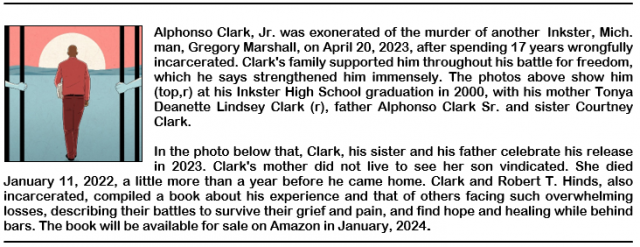
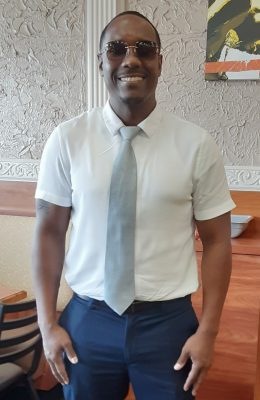
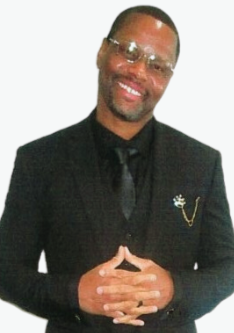
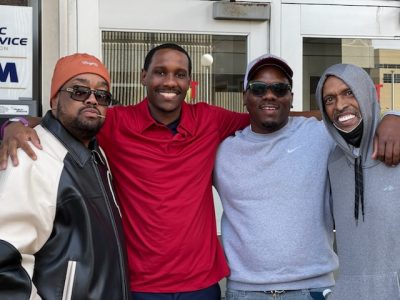
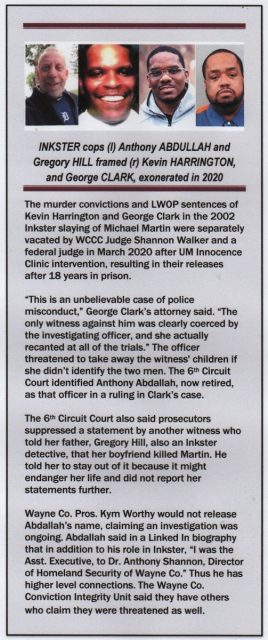 He said Yost uncovered a lot of information about the Inkster cop involved in his wrongful conviction, Anthony DelGreco. She then set up an interview with Wayne County Conviction Integrity Unit director Valerie Newman, who assigned attorney Leana Belcher to his case.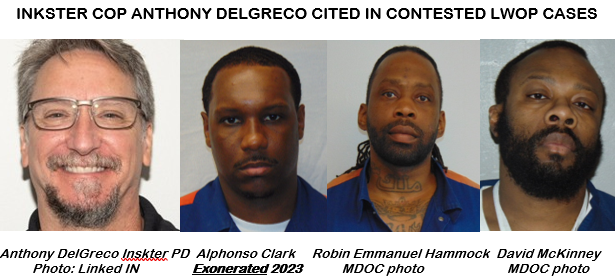
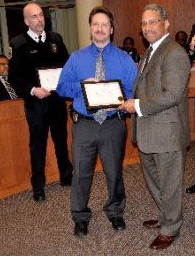
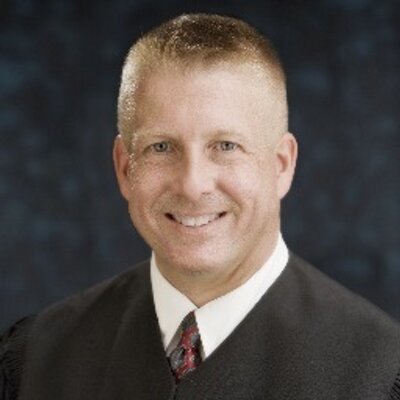



 URGENT. Funds needed for quarterly web hosting charge of $465.00 by Sept. 19, 2023 or VOD and 13 years of its stories will be taken off the web. VOD is a pro bono newspaper, now devoting itself entirely to stories related to our PRISON NATION and POLICE STATE.

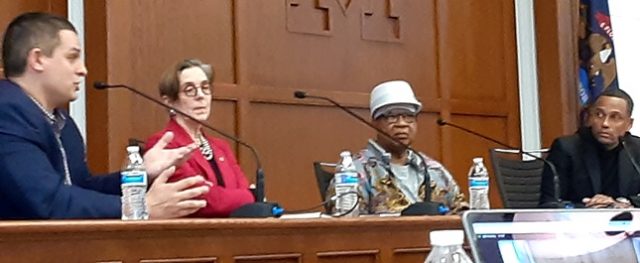
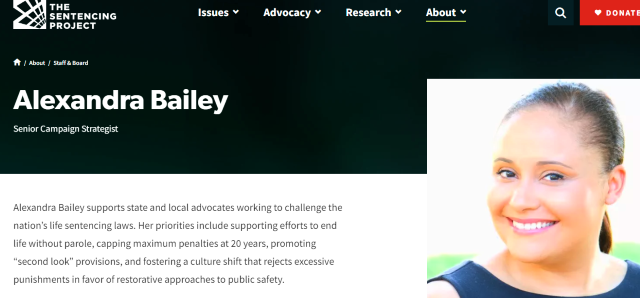
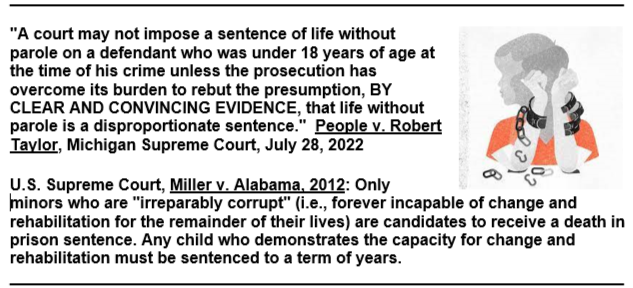

 The COA ruling affirming death in prison for Paredes is only four pages. It alleges Paredes belonged to a “security threat group” in prison and that he “impregnated” his wife with their child on prison premises.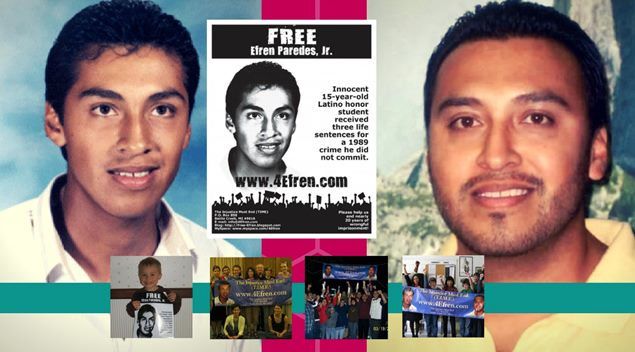

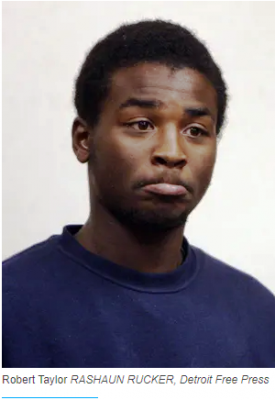
 Researchers have found that the areas of the adolescent brain that are underdeveloped are responsible for impulse control, problem solving, resisting peer-pressure, and conducting a cost-benefit analysis of risky behavior.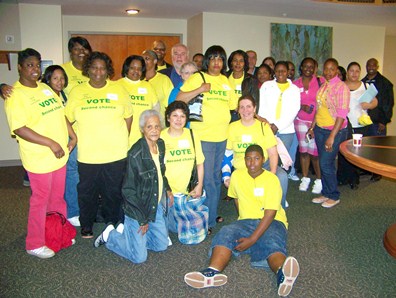
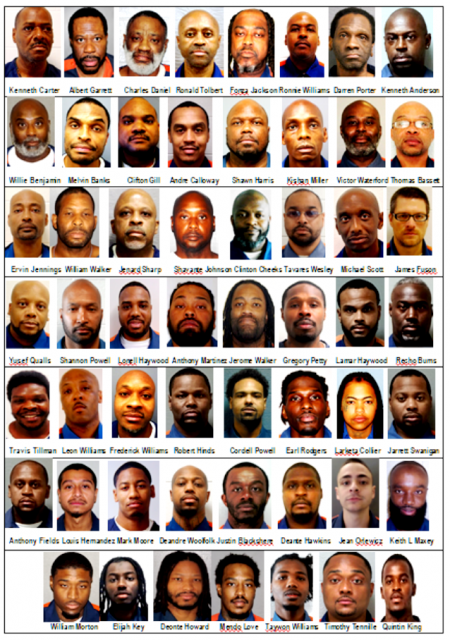
 Sentencing minors to death in prison is divorced from the reality that people can and do change. No adult is the same person they were in their teenage years. According to Mihailis E. Diamantis, author of the article, “Limiting Identity in Criminal Law:”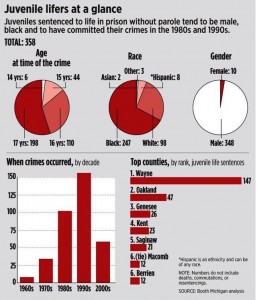
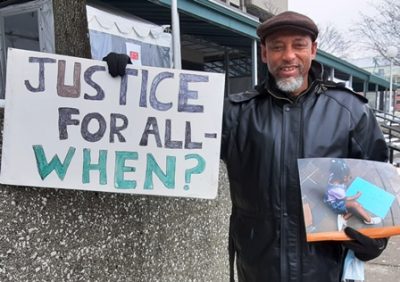
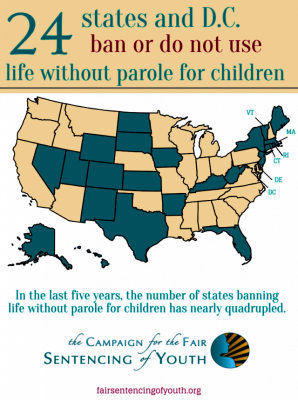 Twenty-five states across the country and the District of Columbia have banned death in prison sentences for justice-involved children. Nine other states have no one serving the sentence who was convicted as a minor. [8] This leaves Michigan among the 16 outliers who still impose the sentences.
 Discriminatory sentences for similarly situated people violate the Equal Protection Clauses of the Michigan and U.S. Constitutions [10] and offend internationally recognized human rights treaties. Racialized harms committed by the criminal legal system against people of color are also largely responsible for fueling the scourge of mass incarceration.
 On July 28, 2022 the MSC issued a ruling in People v. Parks, Docket No. 162086, which raised the age of minors entitled to the protections afforded in Miller v. Alabama to include persons 18 years of age. The high court is also asking the Michigan Court of Appeals to consider whether the state should raise the age to include late-adolescents up to 21-years-old which is widely supported by evolving brain science. [12]


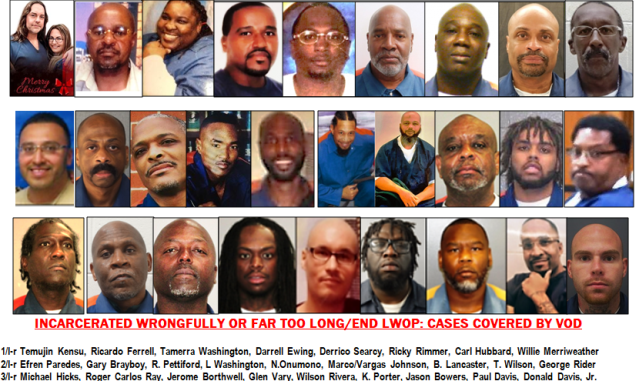
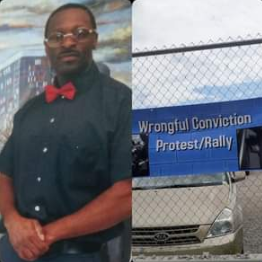
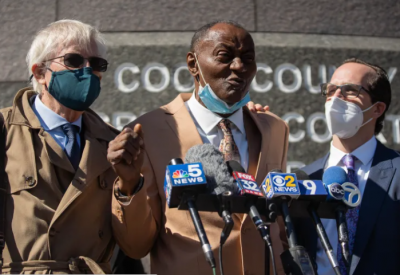

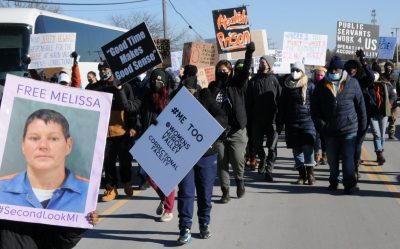
 The result of unchecked power in Michigan’s criminal processing, starting with the police and justice denied in the courts. How does an innocent person spend 47 years in prison? How long must we suffer?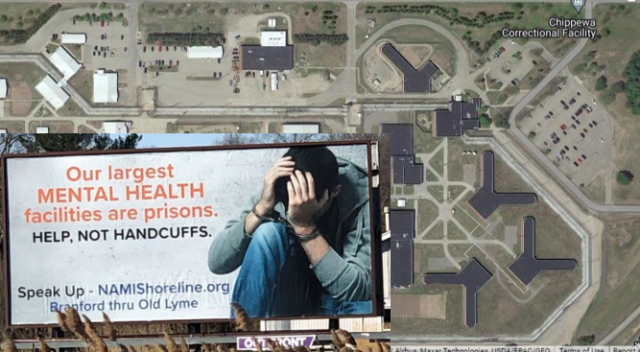

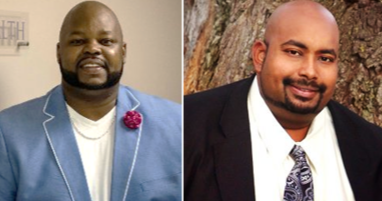

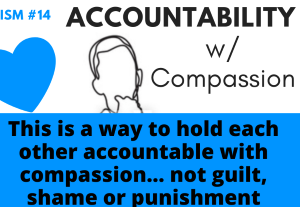 In the book, each of the contributing writers provide youth with real life accounts about how they dealt with their emotions prior to prison, their physical responses to these emotions, and their advice to young men today. In a unique way, the project allows the inmates to mentor young men from a distance by sharing their personal stories.
 In addition, he recently collaborated on other writing projects promoting positive initiatives including a children’s book for urban youth promoting literacy titled “Robert Reads”, and “Etiquette and Professional Development Guide: Preparing for Reentry and Success”, a national program to help prepare returning citizens for adapting to society effectively that will be introduced into state and federal institutions later this year. All of the publications, as well as information on how to become a trained facilitator for the etiquette and professional development program can be found at
 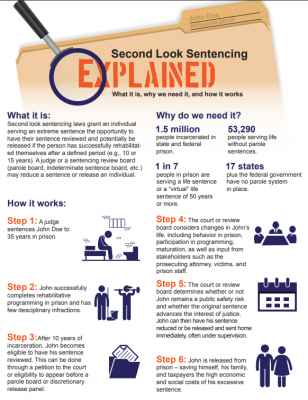 The trauma and mental health symposium was just one of the special events spearheaded by the men at Chippewa Correctional Facility this year to provide educational opportunities for the inmates and to support nonprofit organizations.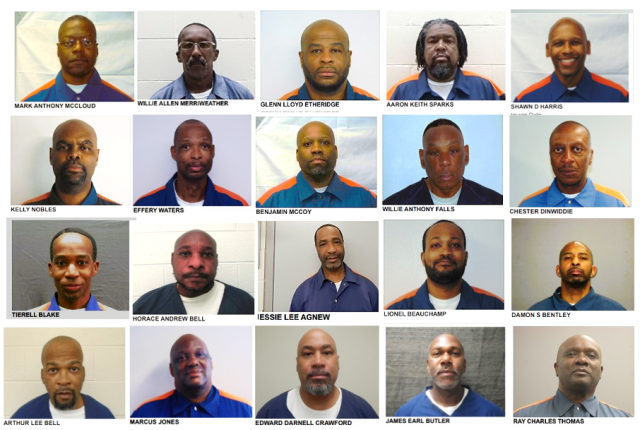
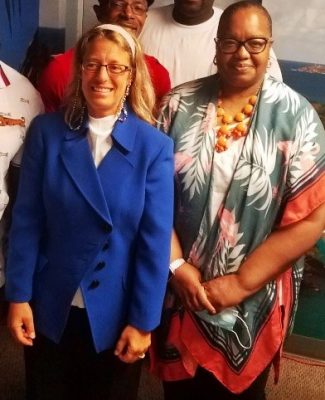
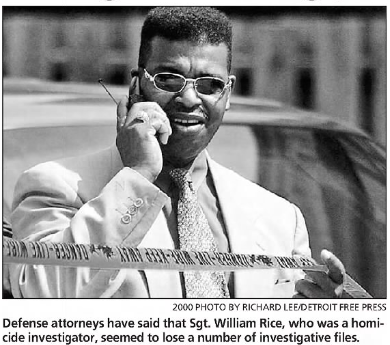 Former Detroit police homicide Sgt. William Rice. He rose to the head of the Detroit police homicide division.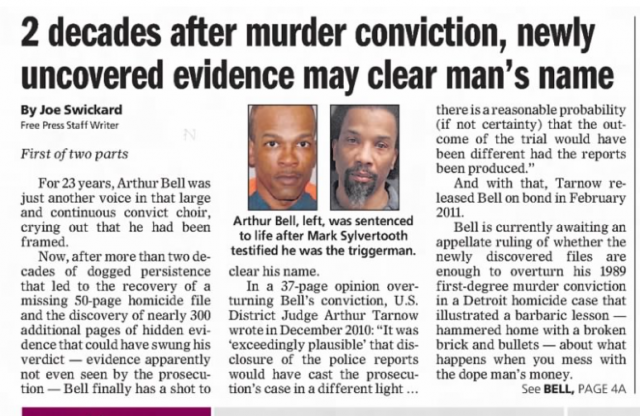
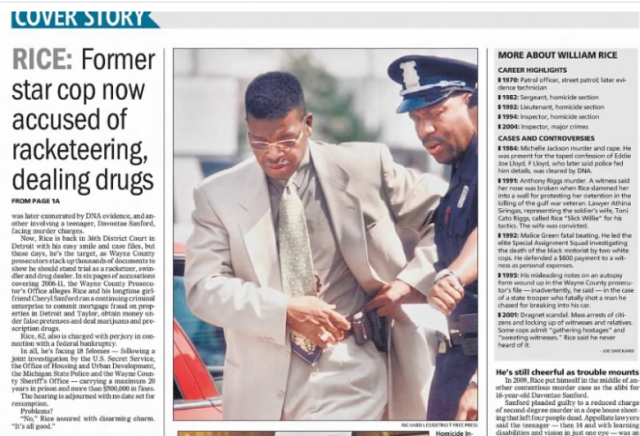
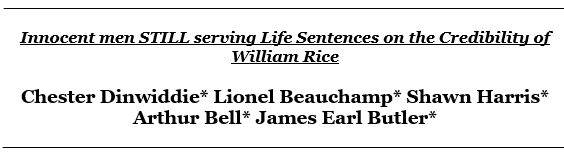
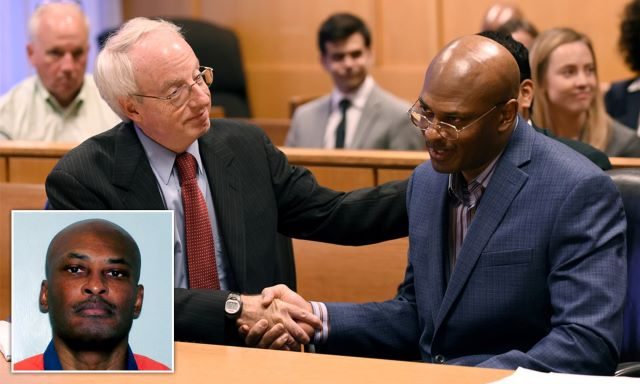
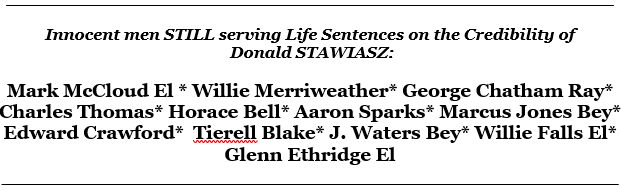
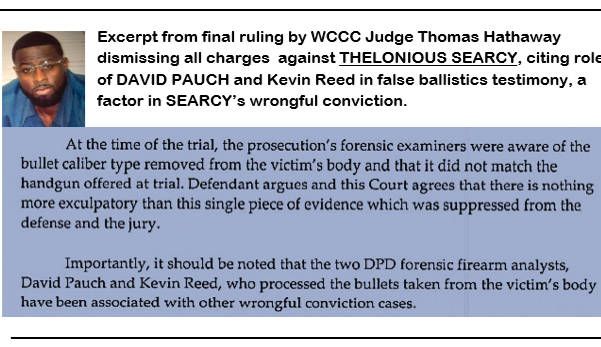

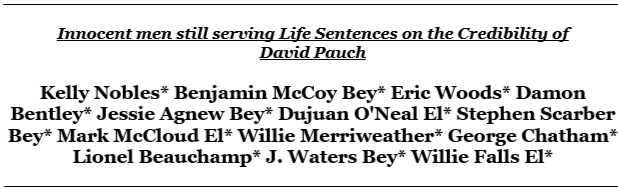
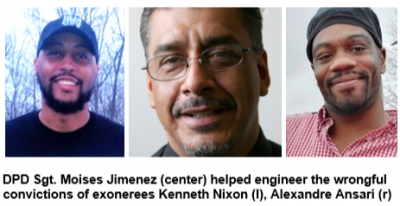 Former Detroit police homicide detective Moises Jimenez. Rose through the ranks of the Detroit police department and worked for years in Homicide’s “REDRUM” squad that investigated drug – related killings.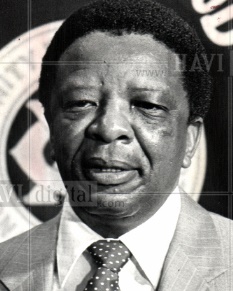
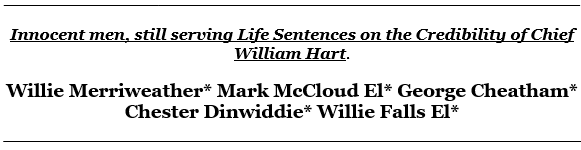
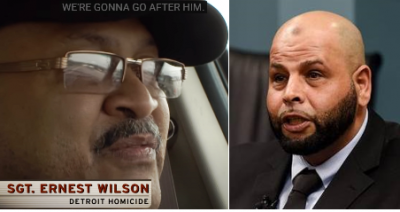

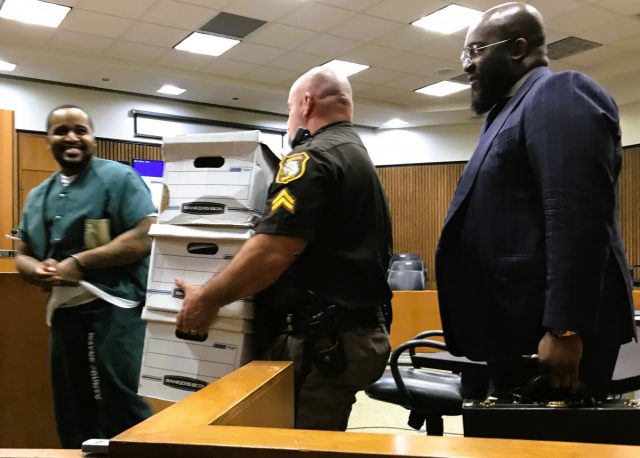
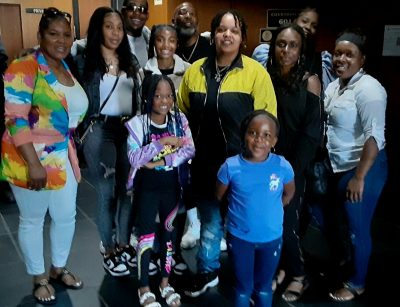
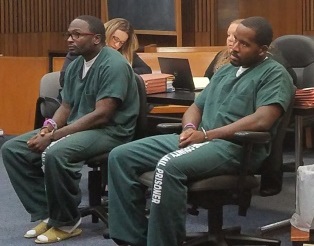
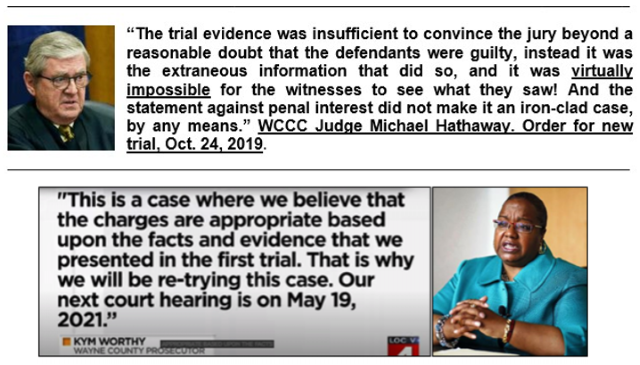

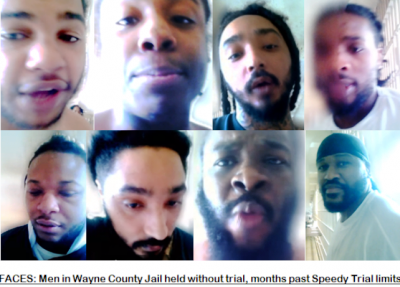
 During the hearing, Ewing also quoted a U.S. Supreme Court ruling, “Judges must maintain a judicial process that is dignified, and to have a man plead for his life in shackles before a court of judges is the highest insult on the dignity of the court.”
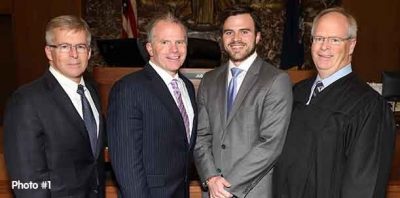
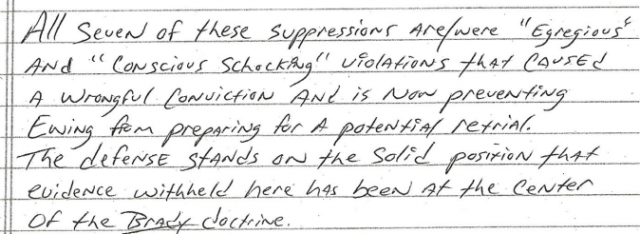 Ewing describes the seven suppressed items as follows: 1) an exculpatory federal interview, 2) info on car the real killer was in, 3) report identifying a different suspect, 4) photo array showing eyewitness ID of another man in first line-up, 5) 2010 federal statements and disclosure on first trial witness, 6) exculpatory Facebook photos of Ewing with no facial hair, et. al. 7) exculpatory phone subscriber/dump.
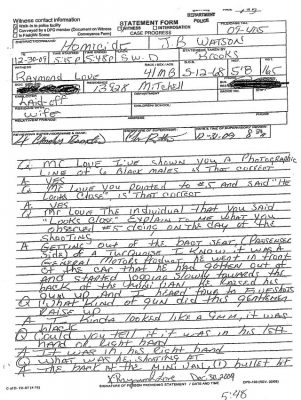 A third motion asks the court to bar the testimony of trial witness Raymond Love. Love identified Ewing only after coaching from DPD Officer Brooks, including line-ups where he first identified a different man, and then said only that “he looks close” in a subsequent line-up.
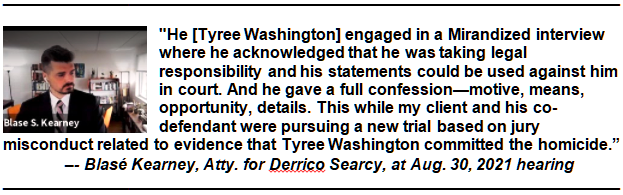 Most prominently, evidence of the prosecution’s suppression of a 2017 confession by Tyree Washington to the murder, given to the Michigan State Police and recorded on audiotape as well as in writing, and multiple other Brady v. Maryland and due process violations before, during and after the 2005 trial, as well as in current pre-trial proceedings, are at play.
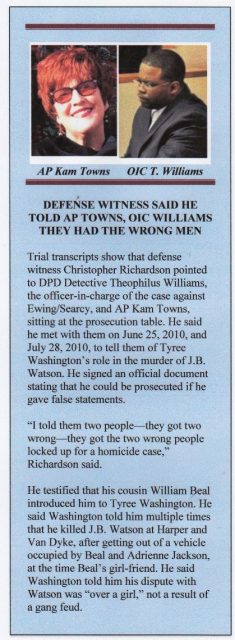 The suppression of the 2017 Washington confession to the State Police was first exposed during a hearing Aug. 30, 2021. The confession came to light when Asst. Prosecutor Kam Towns provided discovery to the defense, after trying unsuccessfully for four months to get the discovery contents sealed pending the re-trial. She cited the city’s danger of civil liability for the request.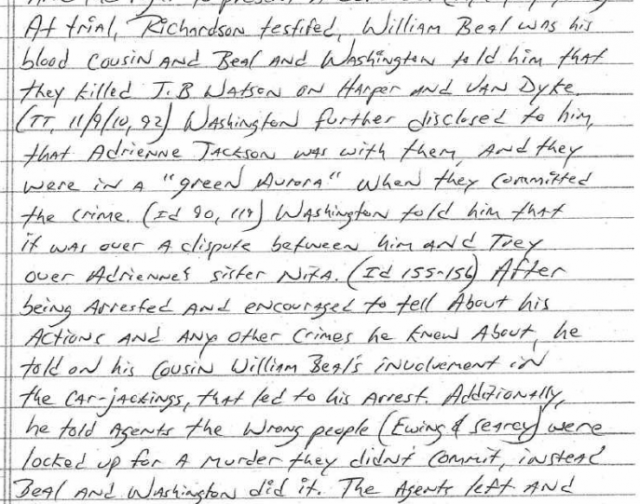


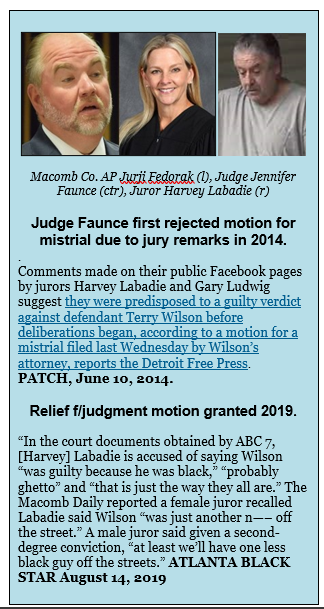 In an interview with VOD’s field editor, Wilson expressed relief that this hopefully will conclude this part of an ordeal that’s dragged on for too long.
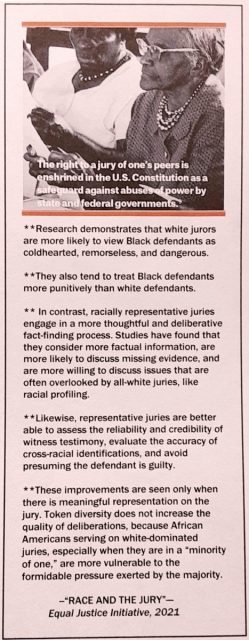 ADDITIONAL COMMENTS BY RICARDO FERRELL:

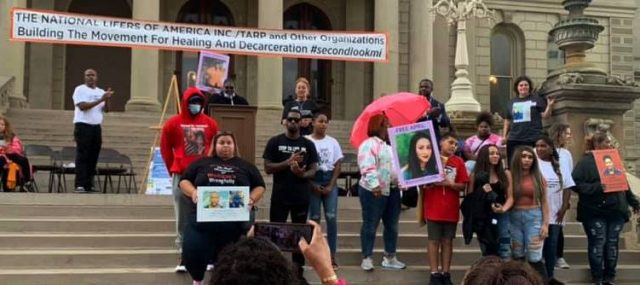
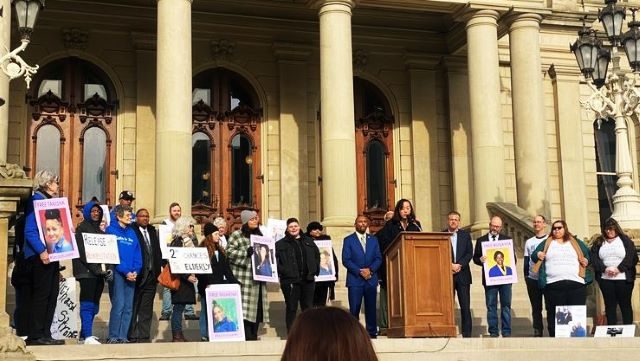

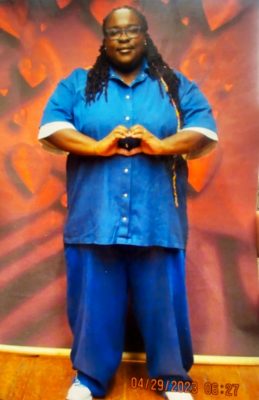
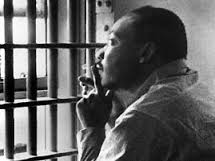
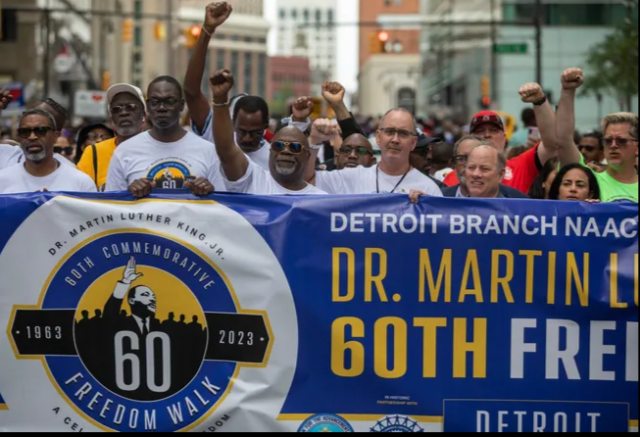
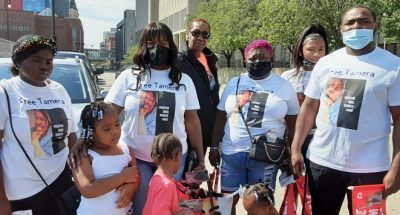
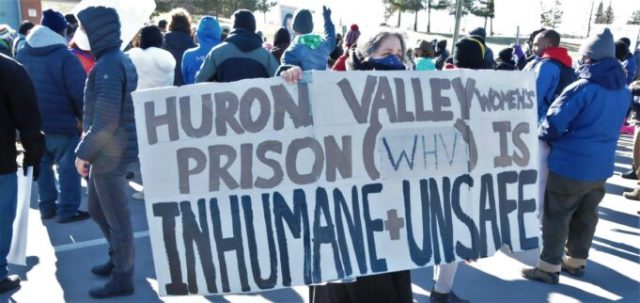

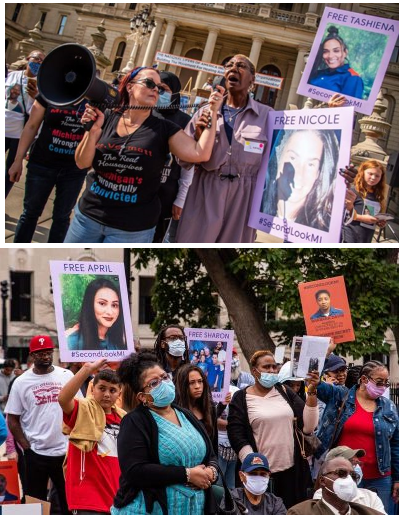
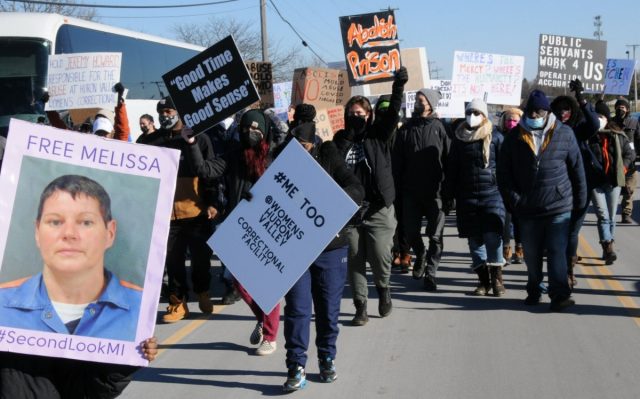
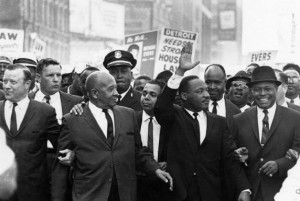
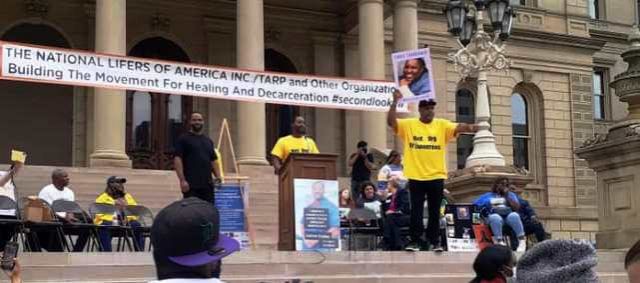
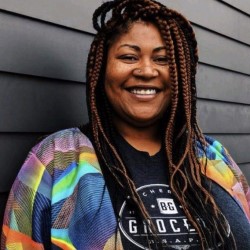
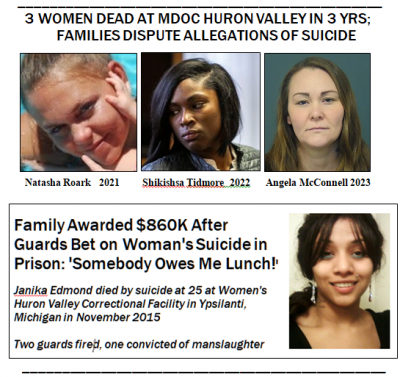 However, nothing known on behalf of Women’s Huron Valley. The only women’s facility in Michigan.